

Prebiotics vs Probiotics vs Postbiotics: What's the Difference and Which Do You Need?
The world of gut health can feel overwhelming with all the "-biotics" floating around. You've probably heard of probiotics, maybe prebiotics, but what are postbiotics and why do you need them? Understanding the difference between these three gut health powerhouses is crucial for making informed decisions about your digestive wellness. Each plays a unique and essential role in maintaining a healthy microbiome, and knowing which one you need—or whether you need all three—can transform your approach to gut health.
⭐ Special Offer: 40% off + free shipping
Get 40% Off + Free Shipping →What Are Prebiotics? The Foundation of Gut Health
Think of prebiotics as food for your good bacteria. These are specialized plant fibers that your body can't digest, but your beneficial gut bacteria absolutely love. Prebiotics work by selectively feeding the good bacteria in your digestive system, helping them multiply and thrive.
Common prebiotic sources include garlic, onions, bananas, asparagus, and Jerusalem artichokes. When you consume prebiotics, they travel through your small intestine undigested and arrive in your colon, where they become a feast for your beneficial microbes.
The science is clear: prebiotics are essential for maintaining a diverse and healthy gut microbiome. Research published in the Journal of Nutrition shows that regular prebiotic consumption can increase beneficial bacteria populations by up to 10-fold within just a few weeks.
What Are Probiotics? The Living Helpers
Probiotics are live beneficial bacteria that you consume to directly add good microbes to your gut. Unlike prebiotics, which feed existing bacteria, probiotics introduce new bacterial strains that can colonize your digestive system and provide health benefits.
The most well-studied probiotic strains include Lactobacillus and Bifidobacterium species, each offering specific health benefits. Some probiotics help with digestion, others support immune function, and certain strains have even been linked to mood regulation through the gut-brain axis.
However, here's what many people don't realize: taking probiotics alone isn't always enough. Without proper prebiotic support, these beneficial bacteria struggle to establish themselves in your gut. It's like planting seeds in soil without providing water and nutrients. For a comprehensive understanding of how probiotics work in your body, check out our Complete Beginner's Guide to Probiotics.
What Are Postbiotics and Why Do You Need Them?
Here's where things get really interesting. Postbiotics are the beneficial compounds produced when probiotics feed on prebiotics. Think of them as the "waste products" of bacterial metabolism—but these waste products are incredibly valuable for your health.
When good bacteria in your gut ferment prebiotic fibers, they produce postbiotics including short-chain fatty acids (SCFAs), peptides, enzymes, and organic acids. These compounds provide immediate benefits to your digestive system and overall health.
So what are postbiotics and why do you need them specifically? Research shows that postbiotics can:
- Strengthen your intestinal barrier
- Reduce inflammation throughout your body
- Support immune system function
- Improve nutrient absorption
- Help regulate blood sugar levels
- Support healthy cholesterol levels
The beauty of postbiotics is that they're stable compounds that don't require refrigeration and provide immediate benefits upon consumption. Unlike probiotics, which need to survive your stomach acid and establish themselves in your gut, postbiotics go to work right away.
Thousands of people have already made the switch.
Get 40% Off + Free Shipping →The Synergistic Effect: Why You Need All Three
Now that you understand what are postbiotics and why do you need them, along with the roles of prebiotics and probiotics, here's the key insight: these three work best together in what scientists call a synergistic relationship.
Prebiotics feed probiotics, probiotics produce postbiotics, and postbiotics create an environment where prebiotics and probiotics can work more effectively. It's a beautiful cycle of gut health support that addresses both immediate needs and long-term microbiome health.
Most supplements on the market focus on just one or two of these components, leaving gaps in your gut health support. That's why we developed GutBio Kombucha Gummies—the only gummy that combines all three prebiotics, probiotics, and postbiotics in one convenient, science-backed formula.
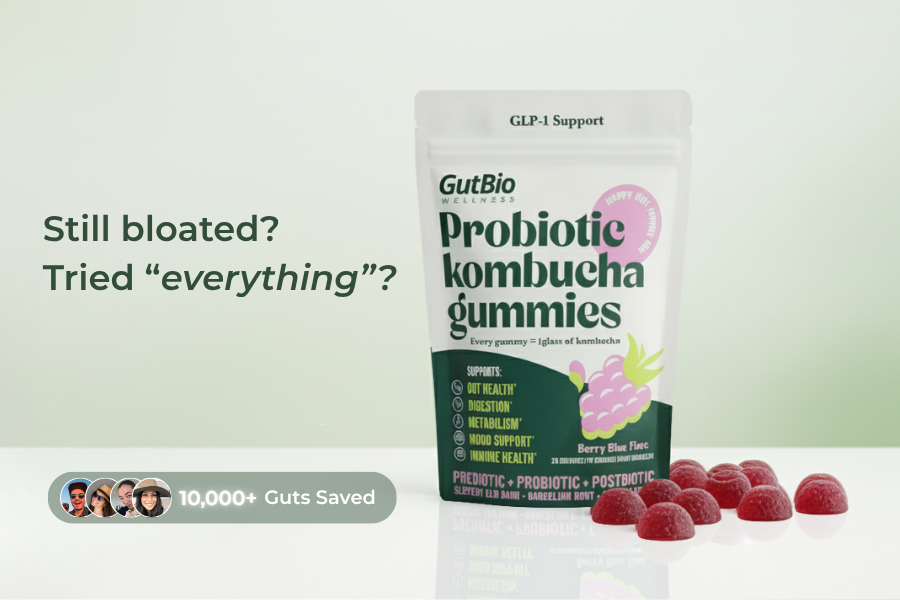
Our unique kombucha-based formula naturally provides this complete spectrum of gut health support. The fermentation process creates beneficial postbiotics, while carefully selected probiotic strains and prebiotic fibers ensure your gut gets everything it needs to thrive. Users report fixing bloating in 30 days with our low-sugar gummies that taste amazing and deliver real results.
Whether you're dealing with digestive issues, looking to support your immune system, or wanting to optimize your overall wellness, understanding the interplay between prebiotics, probiotics, and postbiotics is crucial. And if you're curious about the broader benefits of gut health, you might be interested in learning about Can Probiotics Actually Help You Lose Weight?
Frequently Asked Questions
How long does it take to see results from combining prebiotics, probiotics, and postbiotics?
Most people begin noticing improvements in digestive comfort within the first week, with more significant changes in bloating, regularity, and overall gut health typically occurring within 2-4 weeks. The key is consistency—taking a comprehensive supplement that includes all three components daily for best results.
Can I get enough prebiotics, probiotics, and postbiotics from food alone?
While a diverse, fiber-rich diet provides some prebiotics and fermented foods offer probiotics, getting therapeutic amounts of all three—especially postbiotics—through food alone is challenging. Most people benefit from a high-quality supplement that provides standardized amounts of each component in the right ratios.
Are there any side effects to taking prebiotics, probiotics, and postbiotics together?
When taken as directed, the combination is generally well-tolerated. Some people may experience mild digestive changes during the first few days as their gut microbiome adjusts, but this typically resolves quickly. Starting with the recommended dose and taking with food can minimize any initial adjustment period.