

Complete Beginner's Guide to Probiotics: Everything You Need to Know Before You Start
Starting your probiotic journey can feel overwhelming with so many options and conflicting information available. If you're wondering how to start taking probiotics for beginners, you're in the right place. This comprehensive guide will walk you through everything you need to know to begin your path to better gut health safely and effectively.
What Are Probiotics and Why Do They Matter?
Probiotics are live beneficial bacteria and yeasts that support your digestive system and overall health. Think of them as the "good guys" that help maintain balance in your gut microbiome – the complex ecosystem of trillions of microorganisms living in your digestive tract.
Your gut microbiome plays a crucial role in:
- Digesting food and absorbing nutrients
- Supporting immune system function
- Producing essential vitamins
- Maintaining the gut barrier
- Influencing mood and mental health
When this delicate balance is disrupted by factors like stress, poor diet, antibiotics, or illness, you might experience digestive issues, bloating, irregular bowel movements, or even mood changes. This is where probiotics can help restore harmony to your gut.
How Do Probiotics Actually Work?
Understanding how probiotics work will help you make informed decisions when learning how to start taking probiotics for beginners. Here's the fascinating process:
Colonization and Competition
When you consume probiotics, these beneficial bacteria travel through your digestive system and compete with harmful bacteria for space and resources. They essentially crowd out the bad guys, creating a healthier environment in your gut.
Immune System Support
Probiotics communicate with your immune cells, helping to strengthen your body's natural defenses. About 70% of your immune system is located in your gut, making this relationship particularly important.
Digestive Enhancement
These helpful microorganisms assist in breaking down food, producing digestive enzymes, and creating an optimal pH environment for nutrient absorption.
What to Look for in Your First Probiotic
Choosing your first probiotic doesn't have to be complicated. Here are the key factors to consider when deciding how to start taking probiotics for beginners:
Multiple Strains vs. Single Strains
Look for products that contain multiple probiotic strains rather than just one. Different strains provide different benefits, and having variety gives you a broader spectrum of support.
CFU Count (Colony Forming Units)
For beginners, a moderate CFU count between 1-10 billion is typically sufficient. Starting too high can sometimes cause temporary digestive discomfort as your system adjusts.
Added Prebiotics
Prebiotics are the food that probiotics need to thrive. Products that include both probiotics and prebiotics (called synbiotics) can be more effective because they provide everything needed for the beneficial bacteria to flourish.
Quality and Stability
Choose products from reputable manufacturers that ensure their probiotics remain viable until the expiration date. Look for third-party testing and quality certifications.
Delivery Method
The form of probiotic you choose matters. Gummies have become increasingly popular because they're convenient, taste great, and often have better compliance rates than pills or powders.
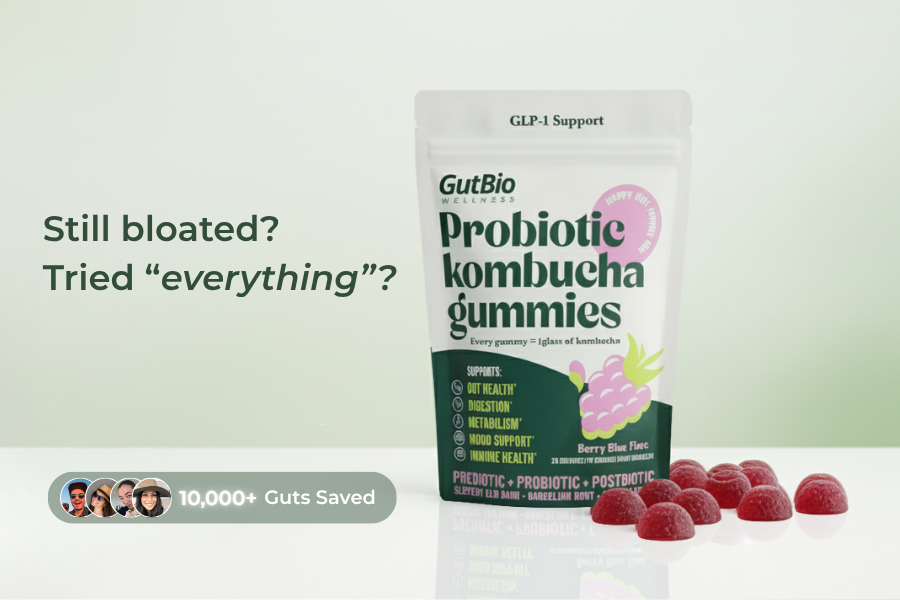
An excellent example of a beginner-friendly probiotic is GutBio Kombucha Gummies. These innovative gummies combine pre, pro, and postbiotics in one convenient, low-sugar formula specifically designed to address common digestive concerns like bloating within 30 days.
Common Mistakes Beginners Make (And How to Avoid Them)
Learning how to start taking probiotics for beginners means understanding what NOT to do. Here are the most common pitfalls and how to sidestep them:
Mistake #1: Starting with Too High a Dose
The Fix: Begin with a lower CFU count and gradually increase if needed. Your gut needs time to adjust to new bacterial populations.
Mistake #2: Expecting Instant Results
The Fix: Give probiotics time to work. While some people notice improvements within days, it typically takes 2-4 weeks to see significant changes in digestion and overall gut health.
Mistake #3: Inconsistent Usage
The Fix: Take your probiotics daily at the same time. Consistency is key for establishing and maintaining beneficial bacterial populations.
Mistake #4: Taking Probiotics with Hot Beverages
The Fix: Heat can kill probiotic bacteria. Take them with room temperature or cool liquids, or choose forms like gummies that don't require additional liquids.
Mistake #5: Not Considering Timing
The Fix: While timing isn't critical for all probiotics, taking them with or just before meals can help protect the bacteria as they travel through your stomach acid.
Mistake #6: Stopping Too Soon During Initial Adjustment
The Fix: Some people experience mild bloating or gas when first starting probiotics. This is usually temporary and indicates your gut is adjusting. If symptoms persist beyond a week, consider reducing the dose or consulting a healthcare provider.
How Long Should You Take Probiotics?
One of the most common questions about how to start taking probiotics for beginners involves duration. The answer depends on your goals and individual needs:
Short-term Use (2-4 weeks)
This timeframe is ideal for addressing specific issues like antibiotic-associated digestive disruption or temporary digestive upset. Many people notice improvements in bloating and regularity within this period.
Medium-term Use (1-3 months)
For more significant gut health improvements or establishing better digestive patterns, a few months of consistent use is often beneficial. This allows time for your gut microbiome to stabilize with the new beneficial bacteria.
Long-term Use (Ongoing)
Many people choose to make probiotics a permanent part of their wellness routine, especially if they have ongoing digestive concerns or want to maintain optimal gut health. This is generally considered safe for most people.
The key is to pay attention to how your body responds and adjust accordingly. Some people find they can maintain benefits with less frequent dosing after an initial period of daily use.
Starting Your Probiotic Journey: A Step-by-Step Plan
Here's a practical approach to how to start taking probiotics for beginners:
Week 1: Establish Your Baseline
Before starting any probiotic, take note of your current digestive health. Track symptoms like bloating, gas, bowel movement frequency, and energy levels. This will help you measure progress.
Week 2: Begin with a Gentle Introduction
Start with a beginner-friendly probiotic like GutBio Kombucha Gummies. Take them at the same time each day, preferably with or before a meal.
Weeks 3-4: Monitor and Adjust
Pay attention to how your body responds. Some initial gas or bloating is normal, but severe discomfort isn't. Continue tracking your symptoms to identify improvements.
Weeks 5-8: Assess Progress
By this point, you should notice improvements in digestive comfort, regularity, or other target areas. If you're not seeing the results you want, consider adjusting timing or consulting with a healthcare provider.
Supporting Your Probiotic Success
Taking probiotics is just one part of supporting your gut health. Here are additional strategies that can enhance your results:
Eat Prebiotic-Rich Foods
Include foods like garlic, onions, bananas, asparagus, and oats in your diet. These feed the beneficial bacteria in your gut.
Reduce Processed Foods
Highly processed foods, excess sugar, and artificial additives can disrupt your gut microbiome and counteract probiotic benefits.
Stay Hydrated
Adequate water intake supports overall digestive health and helps beneficial bacteria thrive.
Manage Stress
Chronic stress can negatively impact your gut microbiome. Practice stress-reduction techniques like meditation, exercise, or deep breathing.
Get Quality Sleep
Your gut microbiome follows circadian rhythms just like you do. Poor sleep can disrupt this balance.
Why GutBio Kombucha Gummies Are Perfect for Beginners
When considering how to start taking probiotics for beginners, GutBio Kombucha Gummies stand out as an ideal choice for several reasons:
- Complete Support: They contain prebiotics, probiotics, and postbiotics for comprehensive gut health support
- Low Sugar Formula: Unlike many gummy supplements, these are formulated with minimal sugar
- Convenient Form: No need to worry about refrigeration or taking with water
- Targeted Results: Specifically designed to address bloating within 30 days
- Beginner-Friendly: Gentle formulation that's less likely to cause digestive upset
- Great Taste: Makes it easy to maintain daily consistency
When to Consult a Healthcare Provider
While probiotics are generally safe for most people, certain situations warrant professional guidance:
- You have a compromised immune system
- You're taking medications that might interact with probiotics
- You experience severe or persistent digestive symptoms
- You have underlying health conditions
- You're pregnant or breastfeeding
Frequently Asked Questions
How long does it take to see results from probiotics?
Most people begin to notice improvements in digestive comfort within 1-2 weeks of consistent use, with more significant benefits appearing after 4-6 weeks. However, individual responses vary, and some people may see changes sooner or later depending on their starting gut health and the specific probiotic used.
Can I take probiotics if I'm already eating fermented foods?
Absolutely! Fermented foods like yogurt, kefir, and sauerkraut provide beneficial bacteria, but probiotic supplements typically offer higher concentrations and specific strains that may not be present in food. Combining both approaches often provides the most comprehensive gut health support.
Should I take probiotics on an empty stomach or with food?
While individual products may have specific recommendations, most probiotics are best taken with or shortly before meals. Food helps buffer stomach acid, protecting the beneficial bacteria as they travel to your intestines. However, gummy probiotics like GutBio Kombucha Gummies can be taken anytime that's convenient for you.