

Complete Beginner's Guide to Probiotics: Everything You Need to Know Before You Start
If you've been wondering how to start taking probiotics for beginners, you're in the right place! Probiotics have become increasingly popular for good reason – they offer incredible benefits for digestive health, immune function, and overall wellness. But if you're new to the world of gut health, the sheer amount of information can feel overwhelming.
Don't worry – we're here to guide you through everything you need to know about starting your probiotic journey with confidence. By the end of this guide, you'll understand exactly what probiotics are, how they work, and how to choose the right option for your needs.
What Are Probiotics and Why Do You Need Them?
Probiotics are live beneficial bacteria and yeasts that support your digestive system and overall health. Think of them as the "good guys" that help maintain balance in your gut microbiome – the community of trillions of microorganisms living in your digestive tract.
Your gut microbiome plays a crucial role in:
- Digesting food and absorbing nutrients
- Supporting immune system function
- Producing essential vitamins
- Maintaining the gut barrier
- Influencing mood and mental health
When your gut bacteria become imbalanced due to factors like stress, poor diet, antibiotics, or illness, you may experience digestive issues, weakened immunity, or other health concerns. This is where probiotics come in – they help restore and maintain a healthy bacterial balance.
How Do Probiotics Actually Work?
Understanding how probiotics work will help you appreciate why learning how to start taking probiotics for beginners is so important for your health journey.
Probiotics work through several mechanisms:
1. Crowding Out Harmful Bacteria
Good bacteria compete with harmful bacteria for space and resources in your gut, naturally reducing the population of problematic microorganisms.
2. Strengthening Your Gut Barrier
Probiotics help maintain the integrity of your intestinal lining, preventing harmful substances from entering your bloodstream.
3. Supporting Immune Function
About 70% of your immune system is located in your gut, and probiotics help train and support immune cells.
4. Producing Beneficial Compounds
Healthy bacteria produce short-chain fatty acids, vitamins, and other compounds that benefit your overall health.
What to Look for When Choosing Your First Probiotic
When you're learning how to start taking probiotics for beginners, selecting the right product is crucial for success. Here are the key factors to consider:
Colony Forming Units (CFUs)
CFUs indicate the number of live bacteria in each serving. For beginners, look for products with 1-10 billion CFUs. Starting with too high a dose can sometimes cause temporary digestive discomfort.
Strain Diversity
Different bacterial strains offer different benefits. Look for products containing multiple strains of Lactobacillus and Bifidobacterium, as these are well-researched and generally safe for beginners.
Prebiotics Included
Prebiotics are food for probiotics. Products that include both prebiotics and probiotics (called synbiotics) can be more effective because they provide the nutrients good bacteria need to thrive.
Quality and Stability
Choose products from reputable companies that test for purity and potency. Some probiotics require refrigeration, while others are shelf-stable.
Easy-to-Take Format
As a beginner, you want something convenient and enjoyable to take consistently. Gummy formats can be an excellent choice because they're tasty and easy to remember.
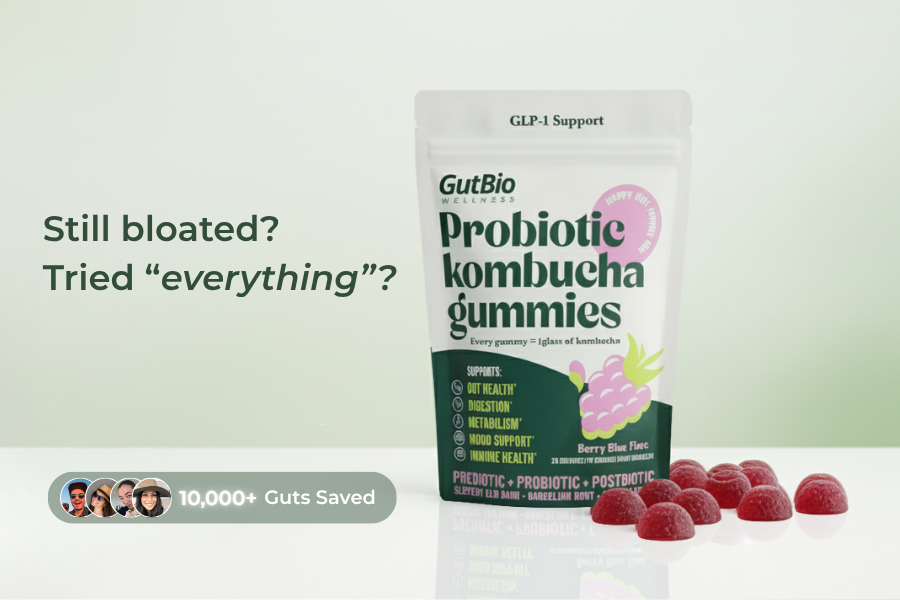
For beginners, we recommend starting with GutBio Kombucha Gummies. These delicious gummies combine the power of pre, pro, and postbiotics in one convenient, low-sugar format. They're specifically designed to fix bloating in 30 days while being gentle enough for beginners to start their gut health journey.
Common Mistakes Beginners Make (And How to Avoid Them)
Learning how to start taking probiotics for beginners means understanding what not to do. Here are the most common mistakes and how to avoid them:
Starting with Too High a Dose
Mistake: Taking high-potency probiotics right away
Solution: Start with a moderate dose and gradually increase if needed
Expecting Immediate Results
Mistake: Giving up after a few days when you don't see changes
Solution: Be patient – it typically takes 2-4 weeks to notice significant improvements
Taking Probiotics with Hot Beverages
Mistake: Taking probiotics with coffee or hot tea
Solution: Take probiotics with room temperature or cool liquids to protect the live bacteria
Not Taking Them Consistently
Mistake: Taking probiotics sporadically
Solution: Establish a daily routine – consistency is key for building healthy gut bacteria
Taking Probiotics with Antibiotics
Mistake: Taking probiotics at the same time as antibiotics
Solution: Space them at least 2 hours apart, or wait until after completing your antibiotic course
How to Start Taking Probiotics: A Step-by-Step Guide
Ready to begin? Here's your practical roadmap for how to start taking probiotics for beginners:
Week 1-2: Start Slowly
- Begin with a half dose or every other day
- Take probiotics with or just after a meal for better survival
- Choose a consistent time each day
- Keep a simple journal of how you feel
Week 3-4: Establish Your Routine
- Increase to the full recommended dose
- Continue taking them daily
- Note any changes in digestion, energy, or overall well-being
- Stay hydrated and eat a balanced diet
Month 2 and Beyond: Maintain and Optimize
- Continue with your daily probiotic routine
- Consider adding probiotic-rich foods to your diet
- Evaluate your progress and adjust if needed
- Maintain other healthy lifestyle habits
Shop GutBio Kombucha Gummies to start your journey with a beginner-friendly option that's both effective and enjoyable to take.
How Long Should You Take Probiotics?
One of the most common questions when learning how to start taking probiotics for beginners is about duration. The answer depends on your goals and individual needs.
Short-Term Use (4-12 weeks)
If you're taking probiotics to address a specific issue like occasional digestive discomfort or after antibiotic use, a short-term course may be sufficient.
Long-Term Use (3 months or longer)
For ongoing digestive support and general wellness, many people choose to make probiotics a long-term part of their health routine. This is generally safe and can provide continued benefits.
Listen to Your Body
Pay attention to how you feel. If you're experiencing positive benefits, continuing long-term is typically fine. If you don't notice improvements after 6-8 weeks, consider trying a different strain or consulting with a healthcare provider.
What to Expect When Starting Probiotics
Understanding what's normal when you start taking probiotics helps set realistic expectations:
First Few Days
Some people experience mild digestive changes like increased gas or slight bloating as your gut adjusts. This is usually temporary and should resolve within a week.
Weeks 2-4
You may start noticing improvements in digestion, regularity, and overall comfort. Energy levels might also begin to improve.
Month 2 and Beyond
This is when many people experience the full benefits, including better digestive health, improved immunity, and enhanced overall well-being.
Supporting Your Probiotic Journey
To maximize the benefits of probiotics, consider these complementary strategies:
Eat Prebiotic-Rich Foods
Include foods like garlic, onions, bananas, and oats to feed your beneficial bacteria.
Reduce Processed Foods
Minimize sugar and highly processed foods that can feed harmful bacteria.
Manage Stress
Chronic stress can negatively impact your gut health, so incorporate stress-management techniques.
Get Quality Sleep
Your gut bacteria follow a circadian rhythm, so consistent, quality sleep supports a healthy microbiome.
Stay Hydrated
Proper hydration supports the mucosal lining of your intestines where beneficial bacteria live.
Signs Your Probiotics Are Working
As you continue learning how to start taking probiotics for beginners, watch for these positive signs:
- Improved digestive regularity
- Reduced bloating and gas
- Better energy levels
- Fewer digestive complaints
- Improved mood and mental clarity
- Better tolerance to foods
- Enhanced immune function
Remember, everyone's experience is unique, and benefits may appear gradually over several weeks or months.
Frequently Asked Questions
Should I take probiotics on an empty stomach or with food?
For beginners, it's generally best to take probiotics with or just after a meal. Food helps buffer stomach acid and provides a better environment for the beneficial bacteria to survive the journey to your intestines.
Can I take probiotics if I'm lactose intolerant?
Yes! Many probiotic products, including GutBio Kombucha Gummies, are dairy-free and suitable for those with lactose intolerance. Always check the product label to be sure, and look for plant-based options if you have concerns.
How do I know if probiotics are right for me?
Most healthy adults can safely take probiotics, but if you have a compromised immune system, serious underlying health condition, or are taking medications, consult with your healthcare provider before starting. Begin with a gentle, beginner-friendly option and monitor how you feel.