

Can Probiotics Actually Help You Lose Weight? Here's What the Research Says
If you've been wondering whether probiotics can help with weight loss and bloating, you're not alone. With gut health gaining attention in wellness circles, many people are curious about the connection between the trillions of bacteria living in our digestive system and the numbers on the scale.
The truth is more nuanced than simple yes-or-no answers. While probiotics won't magically melt away pounds overnight, emerging research suggests they may play a supporting role in weight management and can definitely help with that uncomfortable bloated feeling many of us experience.
The Gut-Weight Connection: What Science Reveals
Your gut microbiome – the collection of bacteria, fungi, and other microorganisms in your digestive tract – influences far more than just digestion. Recent studies have uncovered fascinating links between gut bacteria composition and body weight.
Research published in the journal Nature found that people with obesity tend to have less diverse gut bacteria compared to those at healthy weights. This suggests that the variety and balance of microorganisms in your gut might influence how your body processes food and stores energy.
But here's where we need to be realistic: while probiotics can help with weight loss and bloating as part of a comprehensive approach, they're not a standalone solution for significant weight loss.
How Gut Bacteria Affects Your Metabolism
Your gut bacteria influence weight in several fascinating ways:
Energy Harvesting
Different bacterial strains extract varying amounts of calories from the same foods. Some bacteria are more efficient at breaking down fiber and extracting energy, which could contribute to weight differences between individuals eating similar diets.
Inflammation and Insulin Sensitivity
An imbalanced gut microbiome can trigger low-grade inflammation throughout the body. This chronic inflammation may interfere with insulin sensitivity, making it harder for your body to regulate blood sugar and potentially leading to weight gain over time.
Hormone Production
Gut bacteria produce various compounds that can influence hormones related to hunger and satiety. A healthier microbiome may help regulate these signals, potentially supporting better appetite control.
Bloating vs. Fat: Understanding the Difference
Here's something important to understand: much of the immediate "weight loss" people notice when starting probiotics is actually reduced bloating, not fat loss.
Bloating occurs when gas builds up in your digestive system or when inflammation causes your intestinal walls to swell. This can make you feel heavier and cause your clothes to fit tighter, even though you haven't gained actual body fat.
When you introduce beneficial bacteria through probiotics, they can help:
- Improve digestion efficiency
- Reduce gas production
- Decrease inflammation in the gut lining
- Better break down foods that commonly cause bloating
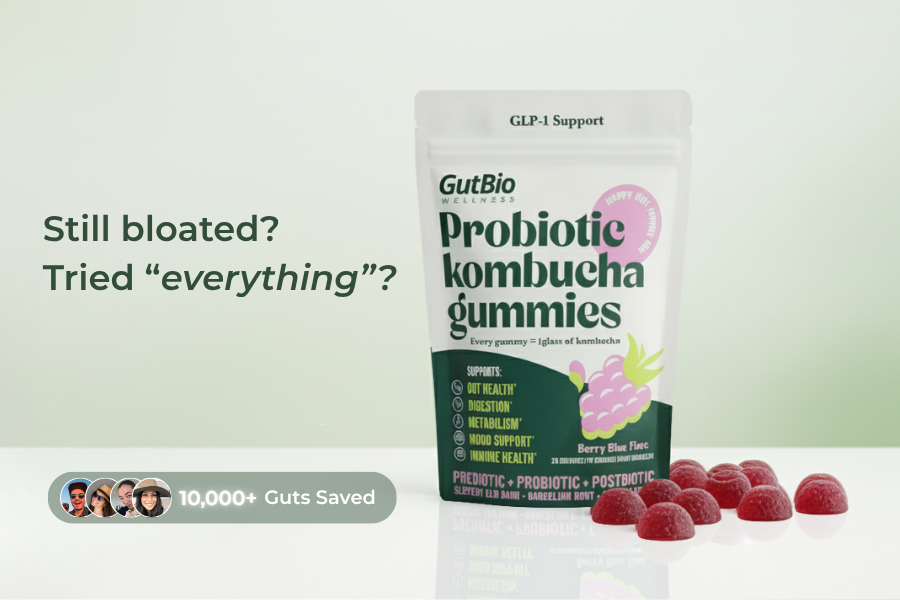
This is where products like GutBio Kombucha Gummies can make a noticeable difference. These gummies combine prebiotics, probiotics, and postbiotics to address bloating from multiple angles.
Setting Realistic Expectations
Let's be honest about what probiotics can and cannot do for weight management:
What Probiotics CAN Do:
- Reduce bloating and digestive discomfort
- Support better nutrient absorption
- Help maintain gut barrier function
- Contribute to overall digestive health
- Potentially support modest weight management as part of a healthy lifestyle
What Probiotics CANNOT Do:
- Replace a balanced diet and regular exercise
- Cause rapid or dramatic weight loss
- Work as a "magic bullet" for obesity
- Overcome the effects of consistently poor eating habits
The most realistic expectation is that quality probiotics may help you feel less bloated and support your overall health goals when combined with proper nutrition and lifestyle habits.
The Research on Probiotics and Weight Loss
Several studies have examined whether probiotics can help with weight loss and bloating:
A 2020 systematic review analyzed multiple studies and found that certain probiotic strains were associated with modest weight loss – typically 1-2 pounds over 8-12 weeks. While not dramatic, this suggests probiotics may provide small benefits for weight management.
Another study focusing specifically on bloating found that participants taking a multi-strain probiotic experienced significant reductions in abdominal bloating and improved digestive comfort within 4 weeks.
The key takeaway? The effects are real but modest, and consistency matters more than dramatic short-term changes.
Choosing the Right Probiotic Approach
Not all probiotic products are created equal. When looking for options to support your digestive health and weight management goals, consider:
Multi-Strain Formulas
Products containing multiple bacterial strains tend to be more effective than single-strain options because different bacteria serve different functions in your gut.
Prebiotic Support
Prebiotics feed the beneficial bacteria in your gut, helping them thrive. Look for products that include both probiotics and prebiotics for comprehensive gut support.
Low Sugar Content
Many probiotic gummies are loaded with sugar, which can actually feed harmful bacteria and counteract the benefits. GutBio Kombucha Gummies are specifically formulated to be low in sugar while delivering effective doses of beneficial bacteria.
Beyond Weight Loss: Additional Benefits
While weight loss might be your primary interest, supporting your gut health with quality probiotics can provide numerous other benefits:
- Improved immune system function
- Better mood and mental clarity (thanks to the gut-brain connection)
- Enhanced nutrient absorption
- Reduced inflammation throughout the body
- More regular and comfortable digestion
These broader health benefits often make the modest weight management effects feel more worthwhile as part of an overall wellness strategy.
Implementing Probiotics Into Your Routine
If you decide to try probiotics for weight management and bloating relief, here are some practical tips:
Start Gradually
Begin with a lower dose and gradually increase to allow your digestive system to adjust. Some people experience temporary digestive changes when first introducing probiotics.
Be Consistent
Take your probiotics at the same time each day, preferably with food to protect the bacteria as they travel through your stomach acid.
Give It Time
While you might notice reduced bloating within days or weeks, other benefits typically take 4-8 weeks of consistent use to become apparent.
Support With Lifestyle Changes
Combine probiotic supplementation with a fiber-rich diet, adequate hydration, regular physical activity, and stress management for the best results.
The Bottom Line
So, can probiotics help with weight loss and bloating? The research suggests they can provide modest support, particularly for reducing bloating and supporting overall digestive health. However, they work best as one component of a comprehensive approach to wellness rather than a standalone weight loss solution.
The most realistic and honest answer is that probiotics can help you feel better in your body by reducing uncomfortable bloating and supporting digestive function. This can make you feel lighter and more comfortable, even if the scale doesn't show dramatic changes.
If you're looking for a high-quality option to support your gut health goals, GutBio Kombucha Gummies offer a convenient, low-sugar way to deliver beneficial bacteria along with prebiotic and postbiotic support. Many users report noticeable improvements in bloating within the first month.
Frequently Asked Questions
How long does it take for probiotics to help with weight loss and bloating?
Most people notice reduced bloating within 1-4 weeks of consistent probiotic use. Any weight-related benefits typically become apparent after 6-12 weeks of regular supplementation combined with healthy lifestyle habits.
Can I take probiotics if I'm already on a weight loss diet?
Yes, probiotics can be a helpful addition to a weight loss plan. They may help reduce bloating and support better digestion as you make dietary changes. However, always consult with your healthcare provider if you have specific health concerns or are taking medications.
Are there any side effects of taking probiotics for weight management?
Most people tolerate probiotics well, but some may experience temporary digestive changes like gas or mild stomach discomfort when first starting. These effects usually subside within a few days to a week as your system adjusts.