

Can Probiotics Actually Help You Lose Weight? Here's What the Research Says
If you've been scrolling through social media or browsing health blogs, you've likely encountered claims that probiotics are the secret to effortless weight loss. But can probiotics help with weight loss and bloating? The answer is more nuanced than the flashy headlines suggest.
Let's dive into what the science actually says about probiotics, gut health, and weight management—without the hype or unrealistic promises.
The Gut-Weight Connection: Understanding the Science
Your gut microbiome—the trillions of bacteria living in your digestive system—plays a fascinating role in how your body processes food, regulates metabolism, and even influences your appetite. Research has shown that people with obesity often have different gut bacteria compositions compared to those at healthy weights.
Here's what we know from current research:
- Metabolic influence: Certain gut bacteria can affect how efficiently your body extracts calories from food
- Hormone regulation: Gut bacteria influence hormones like GLP-1, which affects satiety and blood sugar
- Inflammation reduction: A balanced microbiome may help reduce chronic low-grade inflammation linked to weight gain
- Short-chain fatty acids: Beneficial bacteria produce compounds that may support healthy metabolism
However, it's crucial to understand that can probiotics help with weight loss and bloating doesn't have a simple yes or no answer. The relationship is complex and highly individual.
Bloating vs. Fat Loss: Setting Realistic Expectations
One of the biggest misconceptions about probiotics and weight loss is confusing bloating reduction with actual fat loss. Let's clarify the difference:
What Probiotics May Help With:
- Reducing bloating: Probiotics can help balance gut bacteria, potentially reducing gas production and digestive discomfort
- Improving digestion: Better bacterial balance may lead to more efficient food processing
- Water retention: Some people experience less puffiness when their gut health improves
- Regular bowel movements: A healthier gut often means more consistent elimination
What Probiotics Likely Won't Do:
- Burn fat directly: Probiotics aren't fat-burning supplements
- Replace healthy lifestyle habits: No supplement can override poor diet and lack of exercise
- Provide dramatic weight loss: Realistic expectations are 1-2 pounds over several months, if any
- Work overnight: Gut microbiome changes take time—usually weeks to months
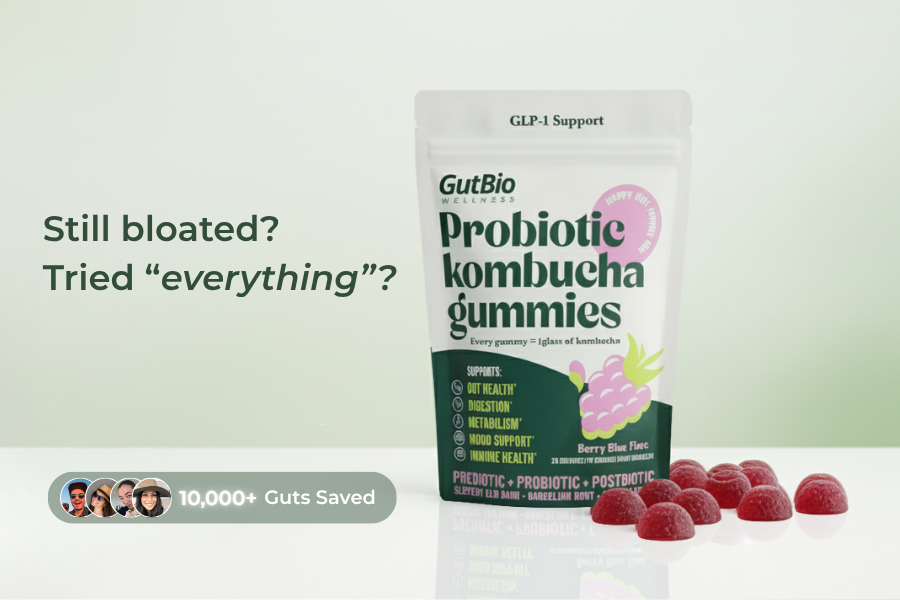
This is where products like GutBio Kombucha Gummies can play a supportive role. With their unique combination of prebiotics, probiotics, and postbiotics, they're specifically designed to address bloating and digestive comfort—not miraculous weight loss.
What the Research Actually Shows
Let's look at what peer-reviewed studies have found when examining whether can probiotics help with weight loss and bloating:
Weight Loss Studies:
A 2019 meta-analysis published in Nutrients reviewed 15 randomized controlled trials involving probiotics and weight loss. The results showed:
- Modest weight loss of 0.5-2 kg (1.1-4.4 lbs) over 3-12 weeks
- Results varied significantly between different probiotic strains
- Effects were most noticeable when combined with caloric restriction
- Not all participants experienced weight loss
Bloating and Digestive Health:
The evidence for probiotics helping with bloating is more robust:
- Multiple studies show probiotics can reduce bloating symptoms in people with IBS
- Certain strains help reduce gas production and improve stool consistency
- Benefits typically appear within 2-4 weeks of consistent use
- Individual responses vary based on existing gut bacteria composition
The Role of Different Probiotic Strains
Not all probiotics are created equal. When considering whether can probiotics help with weight loss and bloating, strain specificity matters:
For Potential Weight Management Support:
- Lactobacillus gasseri: Some studies suggest modest effects on abdominal fat
- Lactobacillus rhamnosus: May support weight maintenance after loss
- Bifidobacterium breve: Linked to improved body composition in some research
For Bloating and Digestive Comfort:
- Bifidobacterium infantis: Effective for IBS-related bloating
- Lactobacillus plantarum: May help reduce gas and improve bowel regularity
- Saccharomyces boulardii: A beneficial yeast that supports overall gut balance
Shop GutBio Kombucha Gummies which contain a carefully selected blend of strains specifically chosen for their digestive benefits and bloating reduction properties.
Beyond Probiotics: The Importance of Prebiotics and Postbiotics
While probiotics get most of the attention, a comprehensive approach to gut health involves three components:
Prebiotics:
These are the "food" for beneficial bacteria. Without adequate prebiotics, probiotics can't thrive and multiply in your gut. Good prebiotic sources include:
- Fiber-rich vegetables and fruits
- Resistant starches
- Inulin and oligosaccharides
Postbiotics:
These are the beneficial compounds produced when probiotics ferment prebiotics. They include:
- Short-chain fatty acids
- Peptides and amino acids
- Vitamins and enzymes
GutBio Kombucha Gummies are unique because they provide all three components in one convenient supplement, supporting not just the introduction of good bacteria, but their long-term survival and beneficial activity.
Realistic Timeline and Expectations
If you're wondering can probiotics help with weight loss and bloating, here's a realistic timeline of what to expect:
Week 1-2:
- Possible initial digestive changes (normal adjustment period)
- Some people notice slight improvements in regularity
- No significant weight changes expected
Week 3-4:
- Bloating may begin to improve
- Digestive comfort often increases
- Energy levels might stabilize
Month 2-3:
- More consistent digestive benefits
- Possible modest changes in body composition
- Improved gut bacteria diversity (if tested)
Beyond 3 Months:
- Established gut microbiome improvements
- Sustained bloating relief
- Any weight-related benefits should be apparent
Who Might Benefit Most?
Probiotics may be most helpful for people who:
- Experience regular bloating or digestive discomfort
- Have recently completed antibiotic treatment
- Follow a diet low in fiber or fermented foods
- Deal with stress-related digestive issues
- Have been diagnosed with IBS or similar conditions
It's important to note that probiotics are not magic weight loss pills and work best as part of a comprehensive approach to health that includes a balanced diet, regular exercise, adequate sleep, and stress management.
Making the Most of Probiotic Supplementation
If you decide to try probiotics for digestive support, here are evidence-based tips for success:
Consistency is Key:
Take your probiotic supplement at the same time each day. Many people find morning works well, but the most important factor is consistency.
Support with Diet:
Eat plenty of prebiotic foods like garlic, onions, asparagus, bananas, and oats to feed your beneficial bacteria.
Be Patient:
Gut microbiome changes take time. Give any probiotic supplement at least 4-6 weeks before evaluating its effectiveness.
Consider Your Individual Needs:
Some people respond better to certain strains than others. If one product doesn't work after a fair trial, a different formulation might be more effective.
The Bottom Line on Probiotics and Weight
So, can probiotics help with weight loss and bloating? The honest answer is that probiotics may provide modest support for both, but they're not a miracle solution for weight loss.
The most realistic benefits you can expect from quality probiotic supplementation include:
- Reduced bloating and digestive discomfort
- Improved gut bacteria balance
- Better regularity and digestive function
- Possible small improvements in body composition over time
- Enhanced overall digestive wellness
Remember that sustainable weight management comes down to creating a caloric deficit through diet and exercise, managing stress, getting adequate sleep, and maintaining consistency over time. Probiotics can be a helpful supporting player in this process, particularly for digestive comfort and bloating reduction.
Frequently Asked Questions
How long does it take for probiotics to help with bloating?
Most people begin noticing improvements in bloating within 2-4 weeks of consistent probiotic use. However, some individuals may see changes sooner, while others might need 6-8 weeks. The key is consistency and choosing a high-quality supplement with clinically studied strains.
Can probiotics actually cause weight gain?
In rare cases, some people may initially experience slight weight fluctuations when starting probiotics due to changes in water retention or digestive patterns. This typically resolves within a few weeks as your gut bacteria rebalance. True weight gain from probiotics is uncommon and usually temporary.
Should I take probiotics on an empty stomach or with food?
This depends on the specific product formulation. Some probiotics are better absorbed on an empty stomach, while others benefit from being taken with food. GutBio Kombucha Gummies can be taken either way, as they're formulated with protective ingredients that help the beneficial bacteria survive stomach acid regardless of timing.