

Prebiotics vs Probiotics vs Postbiotics: What's the Difference and Which Do You Need?
If you've ever stood in the supplement aisle feeling overwhelmed by gut health options, you're not alone. The world of digestive wellness has expanded beyond simple probiotics to include prebiotics and the newest player on the scene: postbiotics. Understanding what are postbiotics and why you need them, along with their counterparts, is crucial for making informed decisions about your gut health journey.
Your digestive system is home to trillions of microorganisms that influence everything from immunity to mood, making gut health a cornerstone of overall wellness. Let's break down these three powerful categories of gut-supporting compounds and discover how they work together to create optimal digestive harmony.
What Are Probiotics?
Probiotics are live beneficial bacteria and yeasts that naturally inhabit your digestive tract. These microscopic allies help maintain the delicate balance of your gut microbiome, supporting digestion, immune function, and even mental health through the gut-brain connection.
When you consume probiotics through supplements or fermented foods, you're essentially sending reinforcements to your gut's bacterial army. Common strains include Lactobacillus acidophilus, Bifidobacterium bifidum, and Saccharomyces boulardii, each offering unique benefits for digestive wellness.
Research shows that probiotics can help reduce bloating, improve bowel regularity, and support immune system function. However, these beneficial bacteria need the right environment and fuel to thrive, which is where prebiotics enter the picture.
What Are Prebiotics?
Prebiotics are specialized plant fibers that serve as food for the beneficial bacteria in your gut. Think of them as fertilizer for your microbiome garden – they don't contain live bacteria themselves, but they nourish the probiotics already living in your digestive system.
These non-digestible compounds pass through your small intestine unchanged and reach your colon, where gut bacteria ferment them into beneficial compounds. Common prebiotic sources include inulin, fructooligosaccharides (FOS), and galactooligosaccharides (GOS).
By feeding your existing beneficial bacteria, prebiotics help increase their population and activity. This creates a more robust gut microbiome that can better resist harmful pathogens and support overall digestive health. Studies indicate that prebiotics can improve calcium absorption, support healthy cholesterol levels, and enhance immune function.
What Are Postbiotics and Why Do You Need Them?
Now we come to the newest and perhaps most intriguing category: postbiotics. Understanding what are postbiotics and why you need them reveals a sophisticated approach to gut health that many people are missing.
Postbiotics are the beneficial compounds produced when probiotics consume prebiotics. These metabolic byproducts include short-chain fatty acids (SCFAs), enzymes, peptides, vitamins, and other bioactive compounds that directly benefit your health.
Unlike probiotics, postbiotics don't require live bacteria to be effective. This means they're more stable, have a longer shelf life, and can provide immediate benefits without needing to establish themselves in your gut first. Key postbiotics include:
- Butyrate: A short-chain fatty acid that strengthens the intestinal barrier and reduces inflammation
- Lactate: Helps maintain an acidic environment that inhibits harmful bacteria
- Acetate: Supports immune function and helps regulate appetite
- Propionate: May help regulate cholesterol production and blood sugar levels
Research into what are postbiotics and why you need them shows these compounds can reduce inflammation, strengthen gut barrier function, support immune regulation, and even influence mood and cognitive function. They represent the "end goal" of what we want our gut bacteria to produce.
The Science Behind Each Approach
Clinical studies have demonstrated the unique benefits of each category. Probiotic research spans decades, with thousands of studies showing their effectiveness for conditions ranging from antibiotic-associated diarrhea to irritable bowel syndrome.
Prebiotic research has grown significantly in recent years, with studies showing their ability to increase beneficial bacteria populations, improve mineral absorption, and support metabolic health. The fermentation process they fuel is crucial for maintaining a healthy gut environment.
Postbiotic research, while newer, is rapidly expanding. Studies show these metabolites can provide many of the same benefits as probiotics without the challenges of keeping live bacteria viable. They work immediately upon consumption and don't compete with existing gut bacteria for resources.
Why Getting All Three Matters: The Complete Gut Health Solution
Understanding what are postbiotics and why you need them is just part of the picture. The most comprehensive approach to gut health involves all three categories working in synergy. Here's why this tri-fold approach is superior:
Immediate and Long-term Benefits: Postbiotics provide instant benefits while probiotics establish long-term gut health. Prebiotics ensure your beneficial bacteria have the fuel they need to thrive and produce more postbiotics naturally.
Enhanced Stability: While probiotics can be sensitive to environmental factors, combining them with prebiotics and postbiotics creates a more robust and effective supplement that works regardless of storage conditions or individual gut variations.
Comprehensive Support: Each category targets different aspects of gut health, creating a complete ecosystem of support rather than addressing just one piece of the puzzle.
This is where GutBio Kombucha Gummies stands apart from traditional gut health supplements. As the only gummy that combines prebiotics, probiotics, and postbiotics in one convenient, low-sugar formula, it addresses the complete spectrum of gut health needs.
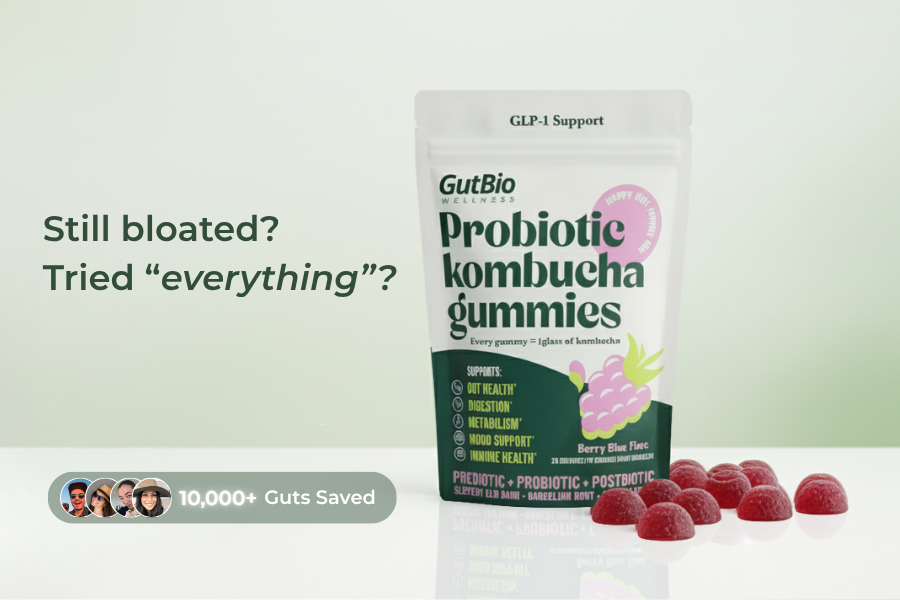
These innovative gummies harness the power of kombucha fermentation to deliver live probiotics, prebiotic fibers, and naturally occurring postbiotics from the fermentation process. The result is a comprehensive gut health solution that can help fix bloating in 30 days while supporting overall digestive wellness.
Shop GutBio Kombucha Gummies to experience the difference of complete gut health support.
Frequently Asked Questions
Can I take prebiotics, probiotics, and postbiotics together?
Yes, taking all three together is not only safe but recommended for optimal gut health. They work synergistically, with prebiotics feeding probiotics and both contributing to postbiotic production. GutBio Kombucha Gummies are specifically formulated to provide all three in balanced proportions.
How long does it take to see results from postbiotics?
Unlike probiotics, which may take weeks to establish in your gut, postbiotics can begin working immediately upon consumption. Many people notice improvements in bloating and digestive comfort within days, with more significant changes typically occurring within 2-4 weeks of consistent use.
Are postbiotics better than probiotics?
Postbiotics aren't necessarily better than probiotics – they're complementary. Postbiotics provide immediate benefits and are more stable, while probiotics offer long-term gut colonization and ongoing postbiotic production. The most effective approach combines both, along with prebiotics for comprehensive gut health support.