

Prebiotics vs Probiotics vs Postbiotics: What's the Difference and Which Do You Need?
If you've been exploring gut health solutions, you've likely encountered terms like prebiotics and probiotics. But there's a third player that's gaining attention in the wellness world: postbiotics. Understanding what are postbiotics and why you need them is crucial for making informed decisions about your digestive health.
While prebiotics and probiotics have dominated the gut health conversation for years, emerging research shows that postbiotics may be just as important—if not more so—for supporting your digestive system. Let's dive deep into each of these gut health powerhouses and discover how they work together to optimize your microbiome.
What Are Prebiotics?
Prebiotics are non-digestible fibers that serve as food for the beneficial bacteria already living in your gut. Think of them as fertilizer for your microbiome garden—they don't contain living organisms themselves, but they nourish the good bacteria you want to flourish.
Common sources of prebiotics include:
- Inulin (found in chicory root, garlic, and onions)
- Fructooligosaccharides (FOS)
- Galactooligosaccharides (GOS)
- Resistant starch
When you consume prebiotics, they travel through your upper digestive tract undigested until they reach your colon. There, your beneficial gut bacteria ferment these fibers, producing short-chain fatty acids and other beneficial compounds that support gut health.
Research shows that adequate prebiotic intake can help increase the population of beneficial bacteria like Bifidobacterium and Lactobacillus, leading to improved digestive function, enhanced immune response, and better nutrient absorption.
What Are Probiotics?
Probiotics are live microorganisms—primarily bacteria and some yeasts—that provide health benefits when consumed in adequate amounts. These "good bacteria" can help restore balance to your gut microbiome, especially after disruptions from antibiotics, stress, or poor diet.
The most common probiotic strains include:
- Lactobacillus acidophilus
- Bifidobacterium longum
- Lactobacillus rhamnosus
- Saccharomyces boulardii (a beneficial yeast)
Probiotics work by colonizing your gut temporarily and competing with harmful bacteria for resources and space. They also produce beneficial compounds, support your immune system, and help maintain the integrity of your intestinal barrier.
However, probiotics face significant challenges. Many don't survive the harsh acidic environment of your stomach, and those that do reach your colon may struggle to establish permanent residence in an already-established microbiome ecosystem.
What Are Postbiotics?
Now, let's explore what are postbiotics and why you need them. Postbiotics are the beneficial compounds produced when probiotics ferment prebiotics in your gut. These include short-chain fatty acids (SCFAs), enzymes, peptides, vitamins, and other bioactive metabolites.
Key postbiotic compounds include:
- Butyrate, acetate, and propionate (SCFAs)
- Lactic acid
- Bacteriocins (antimicrobial peptides)
- Enzymes and vitamins (especially B vitamins and vitamin K)
Understanding what are postbiotics and why you need them reveals their unique advantages. Unlike probiotics, postbiotics don't need to survive stomach acid or compete for space in your gut. They're immediately available to provide benefits, making them highly reliable and effective.
Recent studies suggest that postbiotics may be responsible for many of the health benefits traditionally attributed to probiotics. They help strengthen your intestinal barrier, reduce inflammation, support immune function, and even influence your mood through the gut-brain axis.
Key Differences: Prebiotics vs Probiotics vs Postbiotics
To better understand these three gut health components, let's compare their key characteristics:
Prebiotics:
- Non-living fiber compounds
- Feed beneficial bacteria
- Stable and shelf-stable
- Work indirectly by nourishing existing gut bacteria
Probiotics:
- Living microorganisms
- Add beneficial bacteria to your gut
- Fragile and require special storage
- Must survive digestion to be effective
Postbiotics:
- Non-living beneficial compounds
- Provide direct benefits to gut and body
- Highly stable and effective
- Work immediately upon consumption
When considering what are postbiotics and why you need them, it's important to note that they represent the end goal of the entire gut health process—the actual beneficial compounds that improve your health.
Why Getting All Three Matters
While each component offers unique benefits, the most effective approach to gut health involves all three working together synergistically. This comprehensive approach, known as "synbiotics" when combining prebiotics and probiotics, becomes even more powerful when postbiotics are included.
Here's how they work together:
- Prebiotics feed your existing beneficial bacteria and any new probiotics you consume
- Probiotics add beneficial microorganisms to support your microbiome diversity
- Postbiotics provide immediate benefits while the prebiotics and probiotics establish their effects
This triple-action approach ensures both immediate and long-term gut health benefits. You get the instant support from postbiotics while building a stronger, more diverse microbiome through prebiotics and probiotics.
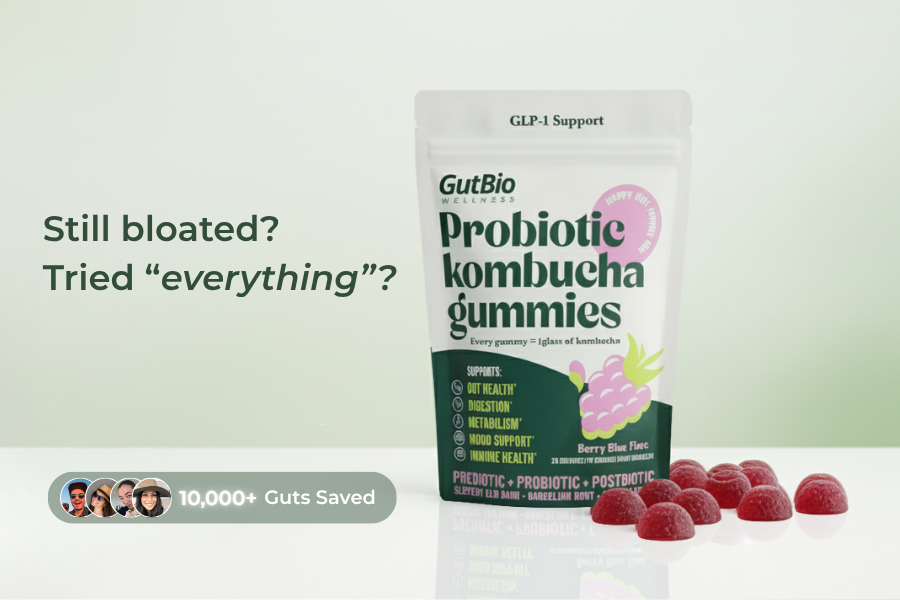
That's exactly why we developed GutBio Kombucha Gummies—the only low-sugar gummy that combines all three gut health essentials in one convenient, delicious formula.
Our unique kombucha fermentation process naturally creates a perfect balance of:
- Prebiotics from organic inulin and natural fruit fibers
- Probiotics including beneficial Lactobacillus and Bifidobacterium strains
- Postbiotics generated during our proprietary fermentation process
Understanding what are postbiotics and why you need them helped us realize that most gut health products were missing this crucial component. By harnessing the power of kombucha fermentation, we're able to deliver all three in their most bioavailable forms.
The Science Behind Postbiotics
Recent research has shed new light on what are postbiotics and why you need them. A 2021 study published in the journal Nutrients found that postbiotics could provide many of the same benefits as probiotics, but with greater stability and consistency.
Key findings from current research include:
- Postbiotics help strengthen the intestinal barrier function
- They reduce inflammatory markers more consistently than probiotics alone
- Short-chain fatty acids (key postbiotics) serve as primary fuel for colon cells
- Postbiotic compounds can positively influence immune cell function
This research validates why understanding what are postbiotics and why you need them is so important for anyone serious about gut health optimization.
Choosing the Right Gut Health Solution
When selecting a gut health supplement, consider these factors:
For Prebiotics: Look for diverse fiber sources and clinically studied amounts (typically 3-5 grams daily)
For Probiotics: Choose products with multiple strains, high CFU counts, and proper packaging to ensure viability
For Postbiotics: Seek products that naturally generate postbiotics through fermentation rather than synthetic addition
The challenge with most products is that they focus on just one or two of these components. That's what makes GutBio Kombucha Gummies unique—we've created the only gummy that naturally combines all three through our innovative kombucha fermentation process.
Frequently Asked Questions
Q: Can I take prebiotics, probiotics, and postbiotics separately?
A: While you can take them separately, research suggests they work best together synergistically. Taking them in combination ensures optimal gut health support and may be more cost-effective than purchasing multiple separate products.
Q: How long does it take to see results from postbiotics?
A: Unlike probiotics which may take weeks to establish, postbiotics can begin providing benefits immediately since they don't need to colonize your gut. Many people report improvements in bloating and digestion within the first week of consistent use.
Q: Are postbiotics safe for everyone?
A: Postbiotics are generally considered very safe since they're non-living compounds that your body naturally produces. However, if you have specific health conditions or take medications, it's always best to consult with your healthcare provider before starting any new supplement regimen.