

Prebiotics vs Probiotics vs Postbiotics: What's the Difference and Which Do You Need?
If you've ever felt confused about the difference between prebiotics, probiotics, and postbiotics, you're not alone. These three components of gut health are often mentioned together, but each plays a unique and vital role in supporting your digestive system. Understanding what are postbiotics and why you need them, along with how they work with prebiotics and probiotics, can help you make informed decisions about your gut health.
Your gut microbiome is home to trillions of bacteria that influence everything from digestion to immune function to mood. The relationship between prebiotics, probiotics, and postbiotics creates a powerful ecosystem that keeps your gut—and your entire body—functioning optimally.
What Are Prebiotics?
Prebiotics are non-digestible fibers that serve as food for the beneficial bacteria in your gut. Think of them as fertilizer for your gut garden—they provide the nutrients that good bacteria need to thrive and multiply.
These specialized plant fibers resist digestion in your small intestine and travel to your colon, where they're fermented by beneficial bacteria. Common types of prebiotics include:
- Inulin (found in chicory root, garlic, and onions)
- Fructooligosaccharides (FOS)
- Galactooligosaccharides (GOS)
- Resistant starch
The primary benefit of prebiotics is that they selectively feed beneficial bacteria while starving harmful bacteria. This selective feeding helps maintain a healthy balance in your gut microbiome, which is essential for proper digestion, immune function, and overall health.
Research shows that prebiotics can help increase the production of short-chain fatty acids, improve mineral absorption, and support regular bowel movements. They're particularly effective at promoting the growth of Bifidobacterium and Lactobacillus, two strains known for their digestive benefits.
What Are Probiotics?
Probiotics are live beneficial bacteria that provide health benefits when consumed in adequate amounts. These "good bacteria" help maintain the balance of your gut microbiome by crowding out harmful bacteria and supporting various bodily functions.
The most common probiotic strains include:
- Lactobacillus acidophilus
- Bifidobacterium bifidum
- Lactobacillus casei
- Streptococcus thermophilus
Probiotics work by colonizing your intestinal tract and creating an environment that's hostile to harmful bacteria. They produce antimicrobial compounds, compete for nutrients with pathogenic bacteria, and help strengthen your intestinal barrier.
Clinical studies have shown that probiotics can help with digestive issues like bloating, gas, and irregular bowel movements. They also support immune function, with approximately 70% of your immune system located in your gut.
However, probiotics face challenges in your digestive system. Many don't survive the acidic environment of your stomach, and others may not effectively colonize your gut if the environment isn't supportive.
What Are Postbiotics and Why Do You Need Them?
Now we come to the question: what are postbiotics and why do you need them? Postbiotics are the beneficial compounds produced when probiotics ferment prebiotics. They're essentially the metabolic byproducts of healthy bacterial activity in your gut.
Unlike probiotics, postbiotics don't contain live bacteria. Instead, they include:
- Short-chain fatty acids (SCFAs) like butyrate, acetate, and propionate
- Peptides and amino acids
- Enzymes
- Vitamins (particularly B vitamins and vitamin K)
- Organic acids
- Cellular components of beneficial bacteria
Understanding what are postbiotics and why you need them is crucial because these compounds provide immediate benefits to your body. Unlike prebiotics and probiotics, which need time to work, postbiotics are ready to be absorbed and used by your body right away.
The benefits of postbiotics include:
- Anti-inflammatory effects: Postbiotics help reduce inflammation throughout your body, particularly in your digestive tract
- Strengthened gut barrier: They help maintain the integrity of your intestinal lining, preventing harmful substances from entering your bloodstream
- Immune support: Postbiotics help regulate your immune response and support overall immune function
- Improved digestion: They aid in nutrient absorption and help maintain regular bowel movements
- Metabolic benefits: Some postbiotics help regulate blood sugar and support healthy cholesterol levels
What makes postbiotics particularly valuable is their stability. They don't require refrigeration and don't lose potency over time like probiotics can. This makes them an excellent option for consistent gut health support.
Why Getting All Three Matters: The Synergistic Effect
While understanding what are postbiotics and why you need them is important, the real magic happens when prebiotics, probiotics, and postbiotics work together. This synergistic relationship creates a comprehensive approach to gut health that's more effective than any single component alone.
Here's how they work together:
- Prebiotics provide the fuel that beneficial bacteria need to survive and multiply
- Probiotics are the beneficial bacteria that consume prebiotics and establish colonies in your gut
- Postbiotics are the beneficial compounds produced by this process, providing immediate health benefits
This three-way relationship creates a sustainable ecosystem in your gut. The prebiotics ensure that beneficial bacteria have food, the probiotics do the work of fermentation and colonization, and the postbiotics provide immediate benefits while supporting the overall gut environment.
Most supplements focus on just one or two of these components, but research suggests that combining all three provides superior results. When you have all three working together, you get:
- Better survival rates for probiotic bacteria
- More consistent production of beneficial compounds
- Improved gut barrier function
- Enhanced immune response
- Better digestive comfort and regularity
This is where GutBio Kombucha Gummies stand out from other gut health supplements. They're formulated to provide all three components in one convenient, delicious gummy.
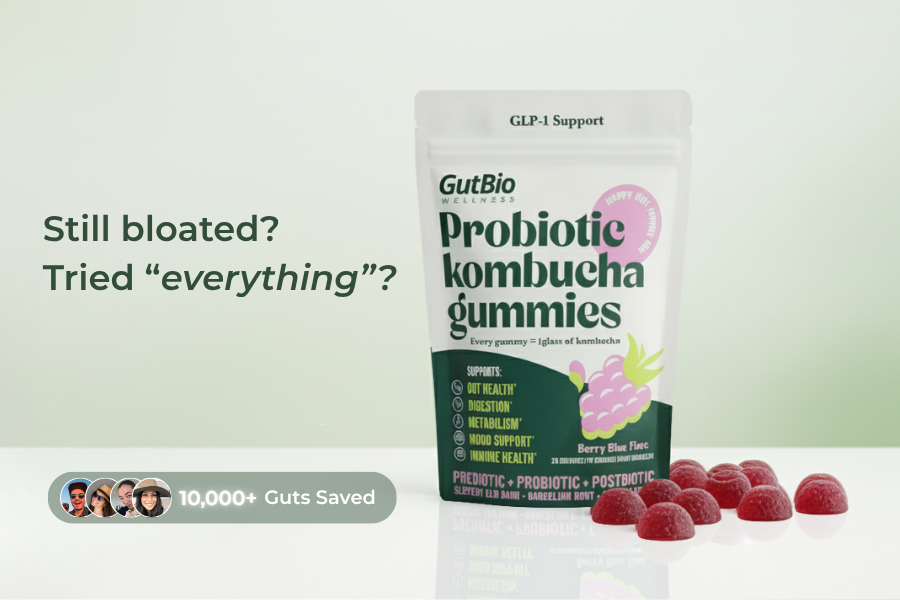
GutBio Kombucha Gummies are uniquely positioned as the only low-sugar gummy that combines prebiotics, probiotics, and postbiotics in one formula. The kombucha base provides naturally occurring postbiotics, while added prebiotics ensure that the probiotic strains have the fuel they need to thrive in your gut.
The convenience of getting all three components in one delicious gummy means you don't have to juggle multiple supplements or wonder if you're missing a crucial piece of the gut health puzzle. Plus, the low-sugar formula means you can support your gut health without counteracting your efforts with excess sugar that can feed harmful bacteria.
Frequently Asked Questions
Can I take prebiotics, probiotics, and postbiotics separately?
Yes, you can take them separately, but research shows that they work best together. Taking them in combination, like in GutBio Kombucha Gummies, ensures optimal synergy and better results for your gut health. Separate supplements also require you to manage multiple products and dosing schedules.
How long does it take to see results from postbiotics?
Unlike prebiotics and probiotics which can take weeks to show effects, postbiotics can provide benefits within days since they're ready-to-use compounds. However, for optimal gut health transformation, most people see significant improvements in bloating, digestion, and energy within 2-4 weeks of consistent use.
Are there any side effects to taking all three together?
When taken in appropriate amounts, prebiotics, probiotics, and postbiotics are generally well-tolerated. Some people may experience mild digestive changes initially as their gut adjusts, but this typically resolves within a few days. Starting with the recommended dose and taking with food can minimize any temporary adjustment period.