

Complete Beginner's Guide to Probiotics: Everything You Need to Know Before You Start
Starting your probiotic journey can feel overwhelming with so many options and conflicting information online. If you're wondering how to start taking probiotics for beginners, you're not alone. This comprehensive guide will walk you through everything you need to know to make informed decisions about your gut health, from understanding what probiotics actually do to choosing the right supplement for your needs.
⭐ Special Offer: 40% off + free shipping
Get Free Shipping Today →What Are Probiotics and Why Do You Need Them?
Probiotics are live beneficial bacteria and yeasts that support your digestive system and overall health. Think of them as the "good guys" that help maintain balance in your gut microbiome – the complex ecosystem of microorganisms living in your digestive tract.
Your gut contains trillions of bacteria, both good and bad. When this balance tips toward harmful bacteria due to stress, poor diet, antibiotics, or illness, you might experience digestive issues like bloating, irregular bowel movements, or discomfort. Probiotics help restore this balance by:
- Supporting healthy digestion
- Boosting immune function (70% of your immune system is in your gut)
- Reducing inflammation
- Improving nutrient absorption
- Supporting mental health through the gut-brain connection
How Do Probiotics Actually Work in Your Body?
Understanding how probiotics work helps you appreciate why they're so important for beginners learning how to start taking probiotics effectively. Once consumed, probiotics travel through your digestive system where they:
Colonize Your Gut: Beneficial bacteria attach to the walls of your intestines, forming protective barriers against harmful microorganisms.
Produce Beneficial Compounds: Probiotics create short-chain fatty acids, vitamins, and other substances that nourish your gut lining and support overall health.
Compete with Bad Bacteria: Good bacteria essentially crowd out harmful microorganisms, preventing them from taking hold and causing problems.
Communicate with Your Immune System: Probiotics help train your immune system to recognize threats while avoiding overreaction to harmless substances.
What to Look for When Choosing Your First Probiotic
Not all probiotics are created equal, especially for beginners. Here's what to prioritize when learning how to start taking probiotics:
Multi-Strain Formulas: Look for products containing multiple strains of beneficial bacteria rather than just one. Different strains offer different benefits, and variety supports a more balanced microbiome.
Adequate CFU Count: CFU (Colony Forming Units) indicates the number of live bacteria. For beginners, 10-50 billion CFUs is typically sufficient.
Shelf-Stable Options: Many probiotics require refrigeration, but shelf-stable options offer convenience and maintain potency longer.
Added Prebiotics: Prebiotics are fiber compounds that feed beneficial bacteria, helping them thrive in your gut.
Third-Party Testing: Choose products that undergo independent testing for purity, potency, and quality.
For beginners, we recommend starting with GutBio Kombucha Gummies. These convenient gummies combine probiotics with prebiotics and postbiotics in one easy-to-take supplement, making them perfect for those new to gut health supplementation.
Thousands of people have already made the switch.
Get Free Shipping Today →Common Mistakes Beginners Make (And How to Avoid Them)
Learning how to start taking probiotics for beginners involves avoiding these frequent pitfalls:
Starting with Too High a Dose: Beginning with extremely high CFU counts can cause digestive discomfort. Start with moderate doses and gradually increase if needed.
Expecting Immediate Results: While some people notice changes within days, it typically takes 2-4 weeks to see significant improvements in digestive health.
Taking Probiotics with Hot Beverages: Heat can kill beneficial bacteria. Take your probiotics with room temperature or cool liquids.
Inconsistent Timing: Taking probiotics at random times reduces their effectiveness. Establish a consistent routine, preferably with meals.
Choosing Based on Price Alone: The cheapest option often lacks quality ingredients or sufficient bacterial counts. Invest in a reputable product for better results.
Stopping Too Early: Many beginners quit before giving probiotics enough time to work. Consistency is key to building a healthy gut microbiome.
If you're interested in learning more about effective probiotic options, check out our detailed analysis: Do Kombucha Gummies Actually Work? An Honest, No-BS Review.
How Long Should You Take Probiotics?
This is one of the most common questions for beginners wondering how to start taking probiotics. The answer depends on your goals and current gut health status:
Short-Term Use (2-4 weeks): If you're recovering from antibiotic treatment or dealing with temporary digestive upset, short-term supplementation may be sufficient.
Medium-Term Use (3-6 months): For addressing chronic digestive issues, supporting weight management, or improving overall gut health, longer supplementation periods are typically more effective. Research shows that Can Probiotics Actually Help You Lose Weight? when used consistently over time.
Long-Term Use: Many health professionals recommend ongoing probiotic supplementation as part of a healthy lifestyle, similar to taking a daily multivitamin.
The key is consistency. Your gut microbiome is constantly changing based on diet, stress, medications, and environmental factors. Regular probiotic supplementation helps maintain balance regardless of these daily challenges.
Getting Started: Your First 30 Days
Here's a practical roadmap for beginners on how to start taking probiotics:
Week 1-2: Begin with the recommended dose on your chosen probiotic. Take with meals to reduce any potential digestive adjustment. You might experience minor changes in bowel movements – this is normal as your gut adjusts.
Week 3-4: Continue consistent supplementation. Many people start noticing improvements in bloating, regularity, and overall digestive comfort during this period.
Beyond 30 Days: Evaluate your progress. Most people experience significant benefits by this point and choose to continue supplementation for ongoing gut health support.
GutBio Kombucha Gummies make this process simple with their unique combination of probiotics, prebiotics, and postbiotics. The low-sugar formula is gentle on beginners while providing comprehensive gut support that can help fix bloating in 30 days.
Supporting Your Probiotic Journey with Lifestyle Changes
While learning how to start taking probiotics for beginners, remember that supplements work best alongside healthy lifestyle choices:
Eat Probiotic-Rich Foods: Include yogurt, kefir, sauerkraut, kimchi, and other fermented foods in your diet.
Feed Your Good Bacteria: Consume prebiotic-rich foods like garlic, onions, bananas, asparagus, and whole grains.
Manage Stress: Chronic stress negatively impacts gut health. Practice stress-reduction techniques like meditation, yoga, or regular exercise.
Stay Hydrated: Adequate water intake supports healthy digestion and helps probiotics function optimally.
Limit Processed Foods: Reduce consumption of highly processed foods, excessive sugar, and artificial additives that can harm beneficial bacteria.
Get Quality Sleep: Poor sleep affects gut health and immune function. Aim for 7-9 hours of quality sleep nightly.
Signs Your Probiotics Are Working
As you learn how to start taking probiotics for beginners, watch for these positive changes:
- Reduced bloating and gas
- More regular bowel movements
- Improved digestion after meals
- Better energy levels
- Enhanced mood and mental clarity
- Fewer digestive complaints
- Improved immune function (fewer colds/infections)
Remember, everyone's response timeline is different. Some people notice changes within a few days, while others may take several weeks to experience significant improvements.
Special Considerations for Beginners
Before starting any new supplement routine, consider these important factors:
Medical Conditions: If you have compromised immunity, are critically ill, or have serious underlying health conditions, consult with a healthcare provider before starting probiotics.
Medications: While probiotics generally don't interact with medications, timing matters. Take probiotics at least 2 hours away from antibiotics to prevent the medication from killing the beneficial bacteria.
Pregnancy and Nursing: Many probiotics are safe during pregnancy and breastfeeding, but consult with your healthcare provider first.
Children: Probiotics can be beneficial for children, but choose age-appropriate formulations and dosages.
Why GutBio Kombucha Gummies Are Perfect for Beginners
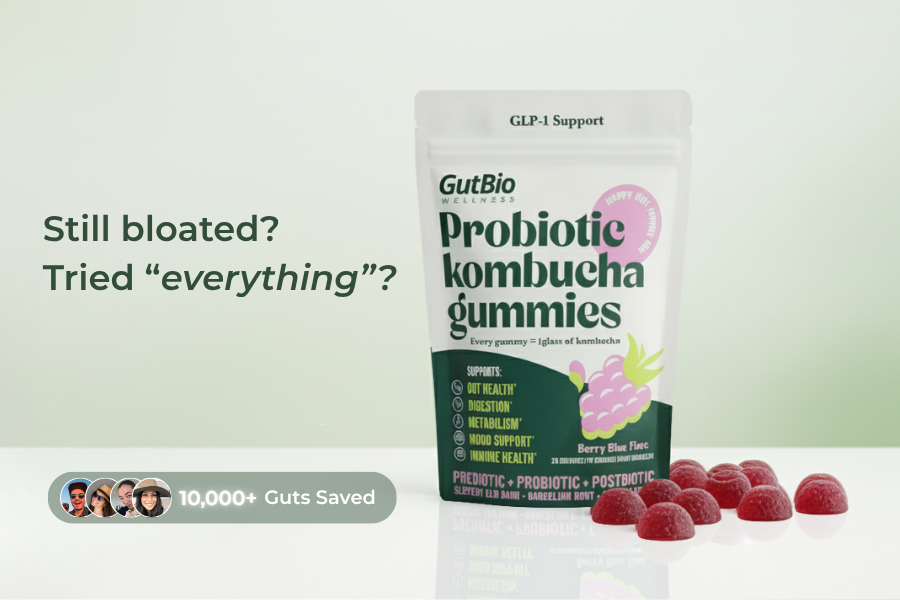
When learning how to start taking probiotics for beginners, GutBio Kombucha Gummies offer several advantages that make them ideal for newcomers:
Complete Gut Health Support: Unlike single-strain probiotics, these gummies provide probiotics, prebiotics, and postbiotics in one convenient supplement.
Gentle and Effective: The low-sugar formula is gentle on sensitive stomachs while providing potent gut health benefits.
Easy to Take: No pills to swallow or powders to mix – just chew and go.
Shelf-Stable: No refrigeration required, making them perfect for travel and busy lifestyles.
Proven Results: Designed to fix bloating in 30 days, providing a clear timeline for expected benefits.
Quality Assured: Made with high-quality ingredients and rigorous testing standards.
Frequently Asked Questions
How long does it take for probiotics to start working for beginners?
Most beginners notice initial improvements within 1-2 weeks, with significant benefits typically appearing after 30 days of consistent use. However, some people may experience positive changes within just a few days, while others might need 6-8 weeks to see substantial improvements. The key is consistency and patience as your gut microbiome adjusts to the beneficial bacteria.
Should I take probiotics with food or on an empty stomach?
For beginners, taking probiotics with meals is generally recommended. Food helps buffer stomach acid, protecting the beneficial bacteria as they travel to your intestines. Additionally, taking probiotics with food reduces the likelihood of experiencing digestive discomfort during the initial adjustment period. GutBio Kombucha Gummies can be taken with or without food, making them convenient for any routine.
Can I take probiotics every day as a beginner?
Yes, daily probiotic supplementation is safe and recommended for most beginners. Consistent daily use helps maintain stable levels of beneficial bacteria in your gut. However, start with the recommended dose rather than taking extra, as your digestive system needs time to adjust. If you experience any discomfort, you can temporarily reduce the frequency and gradually increase back to daily use as your gut adapts.