

Can Probiotics Actually Help You Lose Weight? Here's What the Research Says
If you've been scrolling through social media lately, you've probably seen countless claims about probiotics being the "secret" to rapid weight loss. But can probiotics help with weight loss and bloating in reality? As someone interested in evidence-based wellness, you deserve an honest answer backed by actual science—not marketing hype.
The truth is more nuanced than what most supplement companies want you to believe. While probiotics can play a supportive role in weight management and digestive health, they're not a magic pill that will melt away pounds overnight. Let's dive into what the research actually shows.
The Gut-Weight Connection: What Science Tells Us
Your gut microbiome—the trillions of bacteria living in your digestive system—plays a crucial role in how your body processes food, regulates metabolism, and even influences your appetite. Research has identified several ways that gut bacteria can impact weight management:
Metabolic Regulation
Studies show that people with obesity tend to have less diverse gut bacteria compared to those at healthy weights. Certain bacterial strains can influence how efficiently your body extracts calories from food and how it stores fat. Some beneficial bacteria produce short-chain fatty acids that may help regulate metabolism and reduce inflammation.
Appetite and Cravings
Your gut bacteria communicate with your brain through the gut-brain axis, potentially influencing hunger hormones like ghrelin and leptin. A balanced microbiome may help regulate appetite and reduce cravings for high-calorie, processed foods.
Inflammation Reduction
Chronic low-grade inflammation is linked to weight gain and difficulty losing weight. Beneficial probiotics can help reduce inflammatory markers in the body, potentially supporting healthier weight management.
Bloating vs. Fat Loss: Understanding the Difference
Here's where we need to set realistic expectations. When people ask "can probiotics help with weight loss and bloating," it's important to understand that these are two different issues with different timelines.
Bloating Relief (Days to Weeks)
Probiotics can be quite effective for reducing bloating, gas, and digestive discomfort. This happens relatively quickly—often within days to a few weeks of consistent use. When your gut bacteria are balanced, you may experience:
- Less abdominal distension
- Reduced gas and discomfort after meals
- More regular bowel movements
- A flatter-feeling stomach
This can make you feel lighter and more comfortable in your clothes, but it's primarily due to reduced inflammation and better digestion—not fat loss.
Weight Loss (Months of Consistent Effort)
Actual fat loss from probiotics is more modest and takes longer. Clinical studies typically show weight losses of 2-5 pounds over 12-24 weeks when probiotics are combined with a healthy diet and lifestyle. The effects work by:
- Supporting better nutrient absorption
- Potentially reducing fat storage
- Helping regulate appetite hormones
- Supporting overall metabolic health
What the Research Actually Shows
Let's look at what peer-reviewed studies have found about probiotics and weight management:
A 2019 systematic review published in Nutrients examined 27 randomized controlled trials and found that probiotic supplementation led to modest but significant reductions in body weight and BMI. However, the effects were small—typically 1-3 pounds over 8-12 weeks.
Another study in the British Journal of Nutrition found that certain Lactobacillus strains helped participants lose weight and reduce belly fat, but only when combined with calorie restriction.
For digestive symptoms, the evidence is stronger. Multiple studies show probiotics can significantly reduce bloating, gas, and abdominal discomfort in people with digestive sensitivities.
Realistic Expectations: What Probiotics Can and Cannot Do
What Probiotics CAN Do:
- Support digestive health and reduce bloating
- Help maintain a healthy gut microbiome
- Provide modest support for weight management when combined with a healthy lifestyle
- Improve nutrient absorption
- Support immune function
- Potentially help regulate appetite hormones
What Probiotics CANNOT Do:
- Replace a healthy diet and exercise
- Cause rapid or dramatic weight loss
- Work as a standalone weight loss solution
- Override poor lifestyle choices
- Provide overnight results
Choosing an Effective Probiotic for Digestive Health
If you're wondering whether can probiotics help with weight loss and bloating for your specific situation, the quality and formulation of your probiotic matters significantly. Here's what to look for:
Multi-Strain Formulas
Research suggests that diverse bacterial strains work better together than single-strain products. Look for formulas that include both Lactobacillus and Bifidobacterium species.
Prebiotics and Postbiotics
The most effective products combine probiotics (live bacteria) with prebiotics (food for the bacteria) and postbiotics (beneficial compounds produced by bacteria). This comprehensive approach supports both the growth and activity of beneficial gut bacteria.
Proper Delivery Method
Traditional capsules often don't survive stomach acid well. Alternative delivery methods, like specially formulated gummies, can provide better protection and absorption.
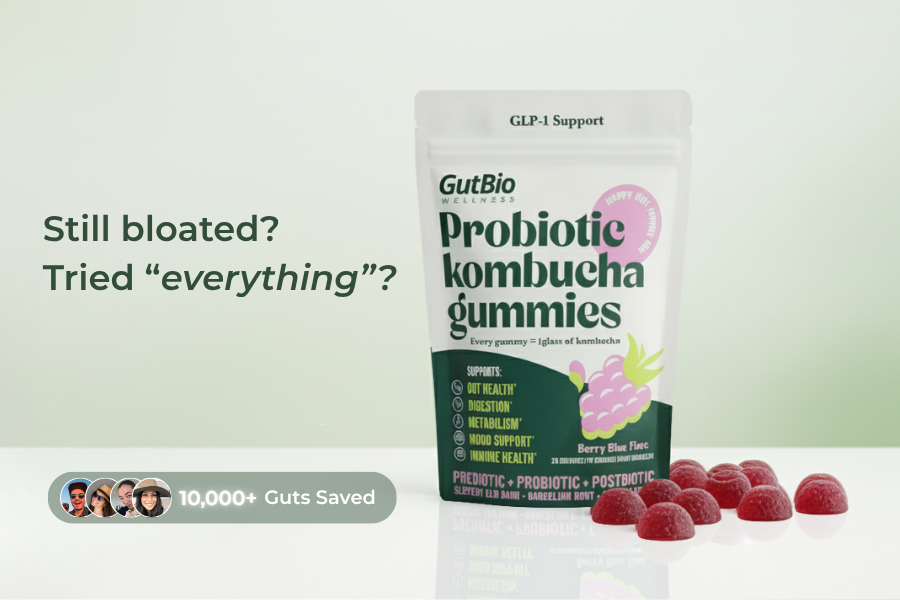
This is why we developed GutBio Kombucha Gummies—to address the common problems with traditional probiotic supplements. Our formula combines pre, pro, and postbiotics in a low-sugar gummy that's designed to survive digestion and support your gut health goals.
The Bottom Line on Probiotics and Weight Management
So, can probiotics help with weight loss and bloating? The honest answer is: yes, but with important caveats.
Probiotics can be a valuable tool in your overall health toolkit, particularly for digestive comfort and modest weight management support. However, they work best when combined with:
- A balanced, whole-foods diet
- Regular physical activity
- Adequate sleep
- Stress management
- Consistent healthy lifestyle habits
If you're dealing with persistent bloating and digestive discomfort, probiotics may provide relatively quick relief. For weight management, view them as a supportive supplement to—not a replacement for—proven lifestyle strategies.
Remember, sustainable weight loss happens gradually through consistent healthy choices. Probiotics can support this journey by optimizing your digestive health and potentially providing modest metabolic benefits, but they're not a shortcut to your goals.
Getting Started with Probiotic Support
If you decide to try probiotics for digestive health and weight management support, consistency is key. Most people need to take them daily for at least 4-6 weeks to notice significant benefits.
Look for products that are transparent about their ingredients, backed by research, and made by reputable companies that prioritize quality and honesty over unrealistic promises.
Shop GutBio Kombucha Gummies to experience the benefits of a comprehensive pre, pro, and postbiotic formula designed specifically for digestive comfort and overall gut health.
Frequently Asked Questions
How long does it take to see results from probiotics for weight loss?
For digestive improvements like reduced bloating, you may notice changes within 1-2 weeks of consistent use. For modest weight management support, clinical studies typically show effects after 8-12 weeks of regular use combined with healthy lifestyle habits. Remember that probiotics provide supportive benefits rather than dramatic weight loss.
Can I take probiotics if I'm already on a weight loss diet?
Yes, probiotics can complement a healthy weight loss plan. They may help with digestive comfort, nutrient absorption, and potentially support your metabolism. However, they should supplement—not replace—proven strategies like calorie management and regular exercise. Always consult with a healthcare provider if you have specific health conditions.
Are there any side effects to taking probiotics for weight management?
Most people tolerate probiotics well, but some may experience mild digestive symptoms like gas or bloating when first starting, which typically resolve within a few days. Start with the recommended dose and take with food to minimize potential discomfort. If you have compromised immune function or serious health conditions, consult your healthcare provider before starting any new supplement.