

Can Probiotics Actually Help You Lose Weight? Here's What the Research Says
If you've been wondering whether probiotics can help with weight loss and bloating, you're not alone. Social media is flooded with before-and-after photos and testimonials claiming miraculous weight loss results from probiotic supplements. But what does the actual science say?
As someone who's spent years researching gut health, I'll give you the honest truth: probiotics can play a supportive role in weight management, but they're not a magic bullet. Let's dive into what the research actually shows and set realistic expectations about what probiotics can and cannot do for your weight loss journey.
The Gut-Weight Connection: How Your Microbiome Affects Your Metabolism
Your gut is home to trillions of bacteria that collectively make up your microbiome. This complex ecosystem doesn't just help digest food—it actively communicates with your brain, influences your hormones, and plays a crucial role in your metabolism.
Research has revealed several ways that gut bacteria can impact weight:
- Energy extraction: Different bacterial strains extract varying amounts of calories from the same foods
- Inflammation control: An imbalanced microbiome can trigger chronic low-grade inflammation, which is linked to weight gain
- Hormone regulation: Gut bacteria influence hormones like GLP-1 and ghrelin that control hunger and satiety
- Fat storage: Certain bacteria can affect how your body stores fat, particularly around the midsection
Studies comparing the gut bacteria of lean and obese individuals consistently show differences in microbial diversity and specific bacterial ratios. People with obesity tend to have less diverse microbiomes and different proportions of key bacterial families.
What the Research Says About Probiotics and Weight Loss
Several clinical trials have investigated whether probiotics can help with weight loss and bloating. Here's what the evidence shows:
Modest but Meaningful Results
A comprehensive review of randomized controlled trials found that probiotic supplementation led to modest weight loss—typically 1-3 pounds over 8-12 weeks. While this might not sound dramatic, it's important to remember that sustainable weight loss happens gradually.
One notable study followed 210 people for 12 weeks. Those taking a specific probiotic strain lost an average of 8.5% of their belly fat, while the placebo group showed no significant change.
Strain-Specific Effects
Not all probiotics are created equal when it comes to weight management. Research suggests that certain strains may be more effective:
- Lactobacillus gasseri: Multiple studies show this strain may help reduce belly fat
- Lactobacillus rhamnosus: Some research indicates it may support weight loss, particularly in women
- Bifidobacterium lactis: May help improve body composition and reduce inflammation
Bloating vs. Fat Loss: Understanding the Difference
Here's where we need to be completely honest: much of the initial "weight loss" people experience with probiotics isn't fat loss—it's reduced bloating and water retention.
Bloating can make you feel and look heavier than you actually are. When your gut bacteria are out of balance, you might experience:
- Excessive gas production
- Water retention
- Abdominal distension
- Feelings of fullness and discomfort
Probiotics can help restore bacterial balance, leading to less gas, reduced inflammation, and decreased bloating. This can result in a flatter stomach and clothes fitting better, even if the scale doesn't change dramatically.
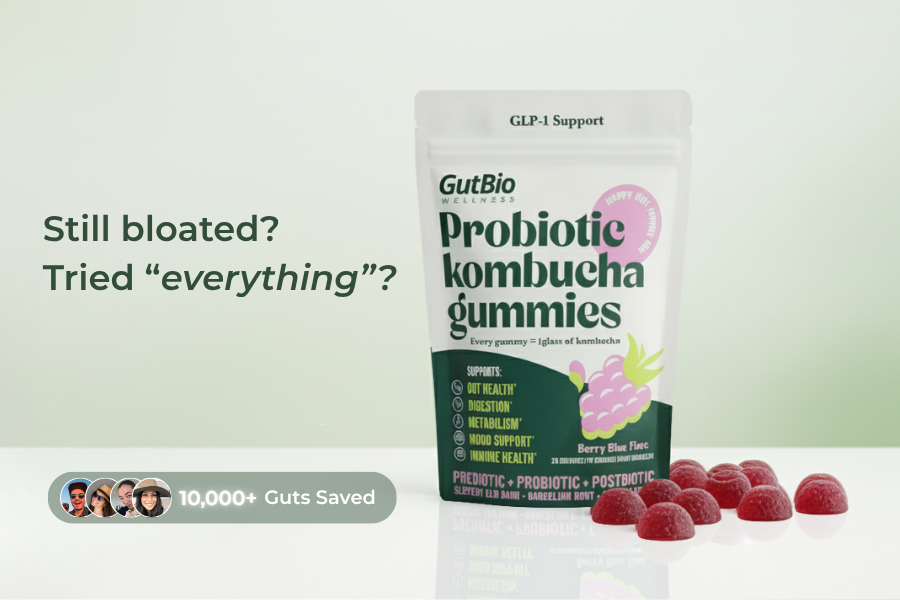
This is where GutBio Kombucha Gummies excel. These aren't just regular probiotics—they're powered by a complete gut health system of prebiotics, probiotics, and postbiotics designed to fix bloating in 30 days. The low-sugar formula ensures you're not working against your weight goals while supporting your gut health.
Setting Realistic Expectations
Let's be clear about what probiotics can and cannot do:
What Probiotics CAN Do:
- Reduce bloating and gas
- Improve digestion
- Support a healthy inflammatory response
- Help regulate appetite hormones
- Contribute to modest weight loss when combined with healthy habits
- Improve overall gut health and comfort
What Probiotics CANNOT Do:
- Replace a healthy diet and exercise
- Cause rapid, dramatic weight loss
- Spot-reduce fat from specific areas
- Work the same for everyone
- Overcome poor lifestyle choices
The Role of Diet and Lifestyle
If you're wondering whether probiotics can help with weight loss and bloating, remember that they work best as part of a comprehensive approach. The most successful weight management strategies combine:
- Probiotic supplementation: To support gut health and reduce bloating
- Fiber-rich foods: To feed beneficial bacteria
- Regular exercise: To boost metabolism and support overall health
- Adequate sleep: Poor sleep disrupts hunger hormones
- Stress management: Chronic stress can negatively impact gut bacteria
How Long Does It Take to See Results?
Most people notice improvements in bloating and digestive comfort within 2-4 weeks of consistent probiotic use. Weight-related changes typically take longer—expect 8-12 weeks to see modest but meaningful results on the scale.
The key is consistency. Your gut microbiome needs time to rebalance, and this process doesn't happen overnight. GutBio Kombucha Gummies are specifically formulated to work within 30 days for bloating relief, giving you faster feedback that the product is working while longer-term metabolic benefits develop.
Choosing the Right Probiotic for Weight Support
Not all probiotic supplements are formulated with weight management in mind. When selecting a probiotic, look for:
- Multiple targeted strains: Rather than just one or two
- Adequate CFU count: Typically 10-50 billion per serving
- Prebiotic inclusion: To feed the beneficial bacteria
- Low or no added sugars: You don't want to work against your goals
- Third-party testing: For quality and potency assurance
Shop GutBio Kombucha Gummies and experience the difference of a complete gut health solution that addresses bloating while supporting your overall wellness goals.
The Bottom Line
So, can probiotics help with weight loss and bloating? The research suggests they can play a supportive role, particularly in reducing bloating and contributing to modest weight loss over time. However, they're most effective when combined with healthy eating and lifestyle habits.
If you're dealing with persistent bloating, probiotics might provide the relief you're looking for relatively quickly. For weight loss, think of probiotics as one tool in your toolkit rather than a standalone solution.
Remember, sustainable weight management is about creating lasting habits that support your overall health. Probiotics can be a valuable part of that journey by optimizing your gut health, reducing uncomfortable bloating, and potentially supporting your metabolism along the way.
Frequently Asked Questions
How quickly can probiotics help with bloating?
Most people notice improvements in bloating and digestive comfort within 2-4 weeks of consistent probiotic use. Some may see changes sooner, particularly with high-quality formulations like GutBio Kombucha Gummies that are specifically designed to address bloating within 30 days.
Can I expect to lose a lot of weight just from taking probiotics?
No, probiotics alone typically lead to modest weight loss of 1-3 pounds over 8-12 weeks. The initial "weight loss" many people experience is often reduced bloating and water retention rather than fat loss. For significant weight loss, probiotics should be combined with a healthy diet and regular exercise.
Are there any side effects of taking probiotics for weight loss?
Most people tolerate probiotics well, but some may experience mild digestive symptoms like gas or bloating during the first few days as their gut bacteria adjust. These symptoms typically resolve quickly. Always consult with a healthcare provider before starting any new supplement, especially if you have underlying health conditions.