

Complete Beginner's Guide to Probiotics: Everything You Need to Know Before You Start
If you've been wondering how to start taking probiotics for beginners, you're in the right place! Whether you're dealing with digestive issues, looking to boost your immune system, or simply want to improve your overall health, probiotics can be a game-changer. But with so much information out there, it's easy to feel overwhelmed.
Don't worry – we're here to guide you through everything you need to know about probiotics in simple, easy-to-understand terms. By the end of this guide, you'll feel confident about starting your probiotic journey and making the best choices for your health.
What Are Probiotics and Why Do You Need Them?
Probiotics are live beneficial bacteria and yeasts that support your digestive system and overall health. Think of them as the "good guys" that live in your gut and help keep everything running smoothly.
Your gut naturally contains trillions of bacteria – some good, some not so good. When the balance tips toward the harmful bacteria (due to stress, poor diet, antibiotics, or illness), you might experience:
- Bloating and gas
- Irregular bowel movements
- Digestive discomfort
- Weakened immune system
- Mood changes
- Skin problems
Probiotics help restore this balance by introducing more beneficial bacteria into your system, supporting better digestion, stronger immunity, and improved overall wellness.
How Do Probiotics Actually Work in Your Body?
Understanding how to start taking probiotics for beginners begins with knowing how they work. Once probiotics reach your digestive system, they:
1. Colonize Your Gut
The beneficial bacteria take up residence in your intestines, competing with harmful bacteria for space and resources.
2. Support Digestion
They help break down food, produce essential vitamins (like vitamin K and some B vitamins), and aid in nutrient absorption.
3. Strengthen Your Immune System
About 70% of your immune system is located in your gut. Probiotics help maintain a strong intestinal barrier and support immune function.
4. Communicate with Your Brain
Through the gut-brain axis, probiotics can influence mood, stress levels, and mental clarity.
What to Look for When Choosing Your First Probiotic
When you're learning how to start taking probiotics for beginners, knowing what to look for is crucial. Here are the key factors to consider:
CFU Count (Colony Forming Units)
This indicates how many live bacteria are in each serving. For beginners, look for products with 1-10 billion CFUs. Starting too high can cause digestive upset.
Strain Diversity
Different probiotic strains offer different benefits. Look for products that contain multiple strains for comprehensive support.
Prebiotics and Postbiotics
The best probiotic supplements also include prebiotics (food for the good bacteria) and postbiotics (beneficial compounds produced by probiotics). This combination ensures maximum effectiveness.
Quality and Stability
Choose products that guarantee the potency of live cultures through the expiration date and don't require refrigeration for convenience.
Easy-to-Take Format
As a beginner, you want something enjoyable and convenient. Gummies are often the most appealing option, especially when they're low in sugar and taste great.
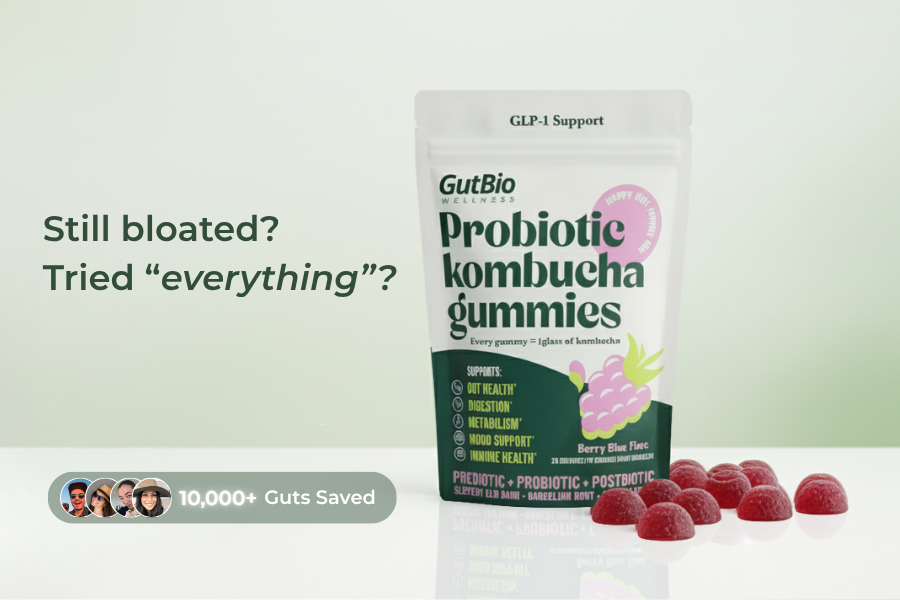
The Perfect Starting Point: GutBio Kombucha Gummies
For those wondering how to start taking probiotics for beginners, we recommend starting with GutBio Kombucha Gummies. Here's why they're ideal for newcomers:
- Triple Action Formula: Contains prebiotics, probiotics, and postbiotics for comprehensive gut support
- Beginner-Friendly: Gentle yet effective formula that won't overwhelm your system
- Convenient: No refrigeration required, easy to take anywhere
- Great Taste: Delicious gummies make taking probiotics enjoyable
- Low Sugar: Health-conscious formula without unnecessary sugars
- Proven Results: Designed to fix bloating in just 30 days
Common Mistakes Beginners Make (And How to Avoid Them)
Learning how to start taking probiotics for beginners means avoiding these common pitfalls:
Starting with Too High a Dose
The Mistake: Taking high-potency probiotics right away
The Solution: Start with a moderate dose and gradually increase as your body adjusts
Expecting Instant Results
The Mistake: Giving up after a few days when you don't see immediate changes
The Solution: Give probiotics at least 2-4 weeks to show noticeable effects
Taking Probiotics with Hot Drinks
The Mistake: Consuming probiotics with hot coffee or tea
The Solution: Take probiotics with room temperature or cold beverages to protect live cultures
Inconsistent Usage
The Mistake: Taking probiotics sporadically
The Solution: Take probiotics daily at the same time for best results
Not Supporting with Proper Diet
The Mistake: Continuing to eat processed foods while taking probiotics
The Solution: Support probiotics with fiber-rich foods, fermented foods, and reduced sugar intake
How Long Should You Take Probiotics?
This is one of the most common questions when learning how to start taking probiotics for beginners. The answer depends on your goals:
For General Health Maintenance
Probiotics can be taken indefinitely as part of a healthy lifestyle. Think of them like a daily vitamin for your gut.
For Specific Issues
If you're addressing particular concerns like bloating, irregular digestion, or post-antibiotic recovery, you might see improvements in 2-8 weeks. However, continuing long-term helps maintain these benefits.
The 30-Day Rule
Give any new probiotic at least 30 days to work. This gives your gut microbiome time to adjust and rebalance. With GutBio Kombucha Gummies, many users notice improvements in bloating within this timeframe.
When and How to Take Your Probiotics
Timing matters when you're figuring out how to start taking probiotics for beginners:
Best Time of Day
- Morning: Take with or after breakfast for consistency
- Empty stomach: Some prefer taking probiotics 30 minutes before meals
- With food: Others find taking with food reduces any initial digestive sensitivity
With GutBio Kombucha Gummies
These gummies are gentle enough to take any time, but many users prefer taking them with their morning routine. Start with the recommended dose and take them consistently every day.
What to Expect When You Start Taking Probiotics
Knowing what to expect helps when you're learning how to start taking probiotics for beginners:
Week 1-2: Adjustment Period
- You might experience mild bloating or gas as your gut adjusts
- This is normal and typically subsides quickly
- Stay hydrated and maintain consistent dosing
Week 2-4: Early Benefits
- Improved regularity
- Reduced bloating
- Better digestion
- Increased energy levels
Week 4-8: Established Benefits
- Consistent digestive comfort
- Stronger immune function
- Improved mood and mental clarity
- Better overall wellness
Supporting Your Probiotic Journey
To maximize the benefits when you're learning how to start taking probiotics for beginners, support your efforts with:
Probiotic-Friendly Foods
- Yogurt and kefir
- Sauerkraut and kimchi
- Kombucha
- Miso and tempeh
Prebiotic Foods
- Garlic and onions
- Bananas
- Oats
- Asparagus
- Apples
Lifestyle Habits
- Manage stress through meditation or yoga
- Get adequate sleep (7-9 hours nightly)
- Stay hydrated
- Exercise regularly
- Limit processed foods and excess sugar
Signs Your Probiotics Are Working
When you're learning how to start taking probiotics for beginners, you'll want to know if they're effective. Look for these positive changes:
- Reduced bloating and gas
- More regular bowel movements
- Less digestive discomfort after meals
- Improved energy levels
- Better mood and mental clarity
- Fewer digestive issues when eating challenging foods
- Stronger immune system (fewer colds or infections)
Making Probiotics a Long-Term Habit
Success in how to start taking probiotics for beginners comes down to consistency. Here are tips for making probiotics a permanent part of your wellness routine:
- Set a daily reminder: Use your phone or link it to an existing habit
- Keep them visible: Store probiotics where you'll see them daily
- Track your progress: Note improvements in a health journal
- Choose enjoyable formats: Gummies like GutBio make it easy to stay consistent
- Focus on benefits: Remember how much better you feel
Frequently Asked Questions
Can I take probiotics if I'm on medication?
Generally, probiotics are safe to take with most medications, but it's always best to consult with your healthcare provider, especially if you're on antibiotics or immunosuppressive drugs. Space probiotics at least 2 hours away from antibiotics to prevent the medication from killing the beneficial bacteria.
How do I know if the probiotics I'm taking are still alive and effective?
Look for products that guarantee potency through expiration, like GutBio Kombucha Gummies. You should also notice improvements in your digestive health within 2-4 weeks of consistent use. If you don't see any benefits after 6-8 weeks, the product may not be effective or right for you.
Is it normal to feel worse before feeling better when starting probiotics?
Yes, some people experience mild digestive symptoms like bloating or gas during the first 1-2 weeks as their gut microbiome adjusts. This is often called "die-off" and typically resolves quickly. If symptoms are severe or persist beyond 2 weeks, reduce your dose or consult a healthcare provider.