

Can Probiotics Actually Help You Lose Weight? Here's What the Research Says
If you've been scrolling through health content lately, you've probably seen bold claims about probiotics melting away belly fat or causing dramatic weight loss transformations. But before you get your hopes up (or dismiss probiotics entirely), let's dive into what science actually tells us about whether can probiotics help with weight loss and bloating.
The short answer? It's complicated. Probiotics can support weight management and significantly help with bloating, but they're not magic weight-loss pills. Here's what you need to know about setting realistic expectations and understanding how your gut health connects to your overall wellness goals.
The Gut-Weight Connection: What's Really Happening
Your gut microbiome—the trillions of bacteria living in your digestive system—plays a fascinating role in how your body processes food, stores fat, and regulates metabolism. Research shows that people with obesity often have different gut bacteria compositions compared to those at healthy weights.
Here's how gut bacteria influence weight:
- Metabolism regulation: Certain bacterial strains help break down food more efficiently and influence how many calories your body extracts from what you eat
- Inflammation control: A healthy gut microbiome reduces chronic inflammation, which is linked to weight gain and difficulty losing weight
- Hormone production: Gut bacteria produce compounds that affect hunger hormones like ghrelin and leptin
- Short-chain fatty acid production: Beneficial bacteria create compounds that may help regulate fat storage and glucose metabolism
This is where the question "can probiotics help with weight loss and bloating" becomes relevant. By supporting a healthier gut microbiome, probiotics may indirectly support weight management efforts.
Bloating vs. Fat: Understanding the Difference
Before we talk about weight loss, let's address something probiotics are actually proven to help with: bloating. Many people confuse bloating with fat gain, but they're completely different issues.
Bloating is temporary abdominal distension caused by gas, food intolerances, or digestive issues. It can make you look and feel heavier, but it's not actual weight gain. Fat gain is the accumulation of adipose tissue over time due to consuming more calories than you burn.
Here's where probiotics shine: they can significantly reduce bloating by:
- Improving digestion and reducing gas production
- Supporting a balanced gut microbiome
- Helping break down foods that commonly cause digestive distress
- Reducing inflammation in the digestive tract
When you reduce bloating, you'll likely notice your clothes fit better and your midsection appears flatter—but this isn't the same as losing fat. It's still a win for how you look and feel!
What the Research Actually Says About Probiotics and Weight Loss
Let's get honest about the science. While some studies show promising connections between probiotics and weight management, the effects are typically modest and work best as part of a comprehensive approach.
A 2019 systematic review of multiple studies found that probiotic supplementation led to an average weight loss of about 1-2 pounds over 8-12 weeks. That's not dramatic, but it's statistically significant and suggests probiotics can play a supporting role in weight management.
More importantly, research shows probiotics may help with:
- Reducing abdominal fat specifically
- Improving insulin sensitivity
- Decreasing inflammation markers
- Supporting healthy digestion and nutrient absorption
The key takeaway? Can probiotics help with weight loss and bloating? Yes, but they're most effective when combined with healthy eating and lifestyle habits.
Realistic Expectations: What Probiotics Can and Cannot Do
What probiotics CAN do:
- Significantly reduce bloating and digestive discomfort
- Support a healthy gut microbiome
- Modestly support weight management efforts
- Improve digestion and nutrient absorption
- Help reduce cravings for processed foods (some strains)
- Support overall metabolic health
What probiotics CANNOT do:
- Replace a healthy diet and exercise
- Cause dramatic weight loss on their own
- Work overnight—gut health changes take time
- Overcome poor lifestyle habits
- Work the same way for everyone
The Importance of Quality: Pre, Pro, and Postbiotics
Not all probiotic products are created equal. The most effective approach involves a combination of:
- Probiotics: Live beneficial bacteria
- Prebiotics: Fiber that feeds good bacteria
- Postbiotics: Beneficial compounds produced by probiotics
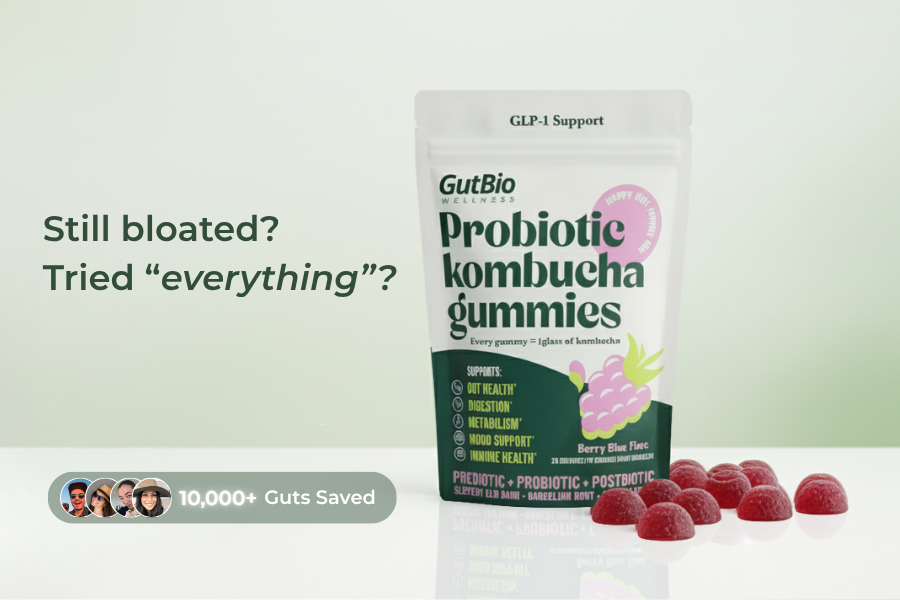
This is exactly why we developed GutBio Kombucha Gummies. Unlike basic probiotic supplements, our gummies combine all three elements in a delicious, low-sugar format that makes supporting your gut health easy and enjoyable.
Each gummy contains carefully selected strains known for supporting digestive health, plus the prebiotics needed to help them thrive and postbiotics for immediate benefits. Many of our customers notice reduced bloating within the first week, with continued improvements in digestion and overall comfort over 30 days.
Setting Yourself Up for Success
If you're wondering "can probiotics help with weight loss and bloating" for your specific situation, here's how to maximize your chances of success:
1. Start with bloating relief: Focus first on how probiotics can improve your digestive comfort. This alone can make a significant difference in how you look and feel.
2. Be patient: Gut microbiome changes take 2-4 weeks to become noticeable, with continued improvements over 2-3 months.
3. Combine with healthy habits: Use probiotics as part of a balanced approach that includes nutritious eating and regular movement.
4. Choose quality products: Look for supplements that combine probiotics, prebiotics, and postbiotics for comprehensive gut support.
5. Track the right metrics: Instead of just weighing yourself, pay attention to energy levels, digestion, bloating, and how your clothes fit.
The Bottom Line
So, can probiotics help with weight loss and bloating? The honest answer is yes—but with realistic expectations. Probiotics are excellent for reducing bloating and supporting digestive health, which can help you look and feel better quickly. For weight loss, they offer modest but meaningful support when combined with healthy lifestyle habits.
The real value of probiotics lies in their ability to improve your overall digestive health, reduce uncomfortable bloating, and potentially support your weight management goals as part of a comprehensive approach to wellness.
If you're tired of dealing with bloating and want to support your gut health with a science-backed approach, GutBio Kombucha Gummies offer a convenient, effective solution. With pre, pro, and postbiotics in every low-sugar gummy, you're giving your gut everything it needs to thrive.
Frequently Asked Questions
How long does it take to see results from probiotics for weight loss and bloating?
Most people notice reduced bloating within 1-2 weeks of consistent probiotic use. For weight management benefits, expect to see modest changes after 8-12 weeks when combined with healthy lifestyle habits.
Are there specific probiotic strains better for weight loss?
Research suggests certain Lactobacillus and Bifidobacterium strains may be more effective for weight management, but the most important factor is choosing a high-quality product with multiple strains plus prebiotic support.
Can I rely on probiotics alone for weight loss?
No, probiotics work best as part of a comprehensive approach including balanced nutrition and regular physical activity. They're a helpful tool for supporting your efforts, not a standalone solution.